The 1940s
The most size-varied decade of the century, and the one that made legibility the point.
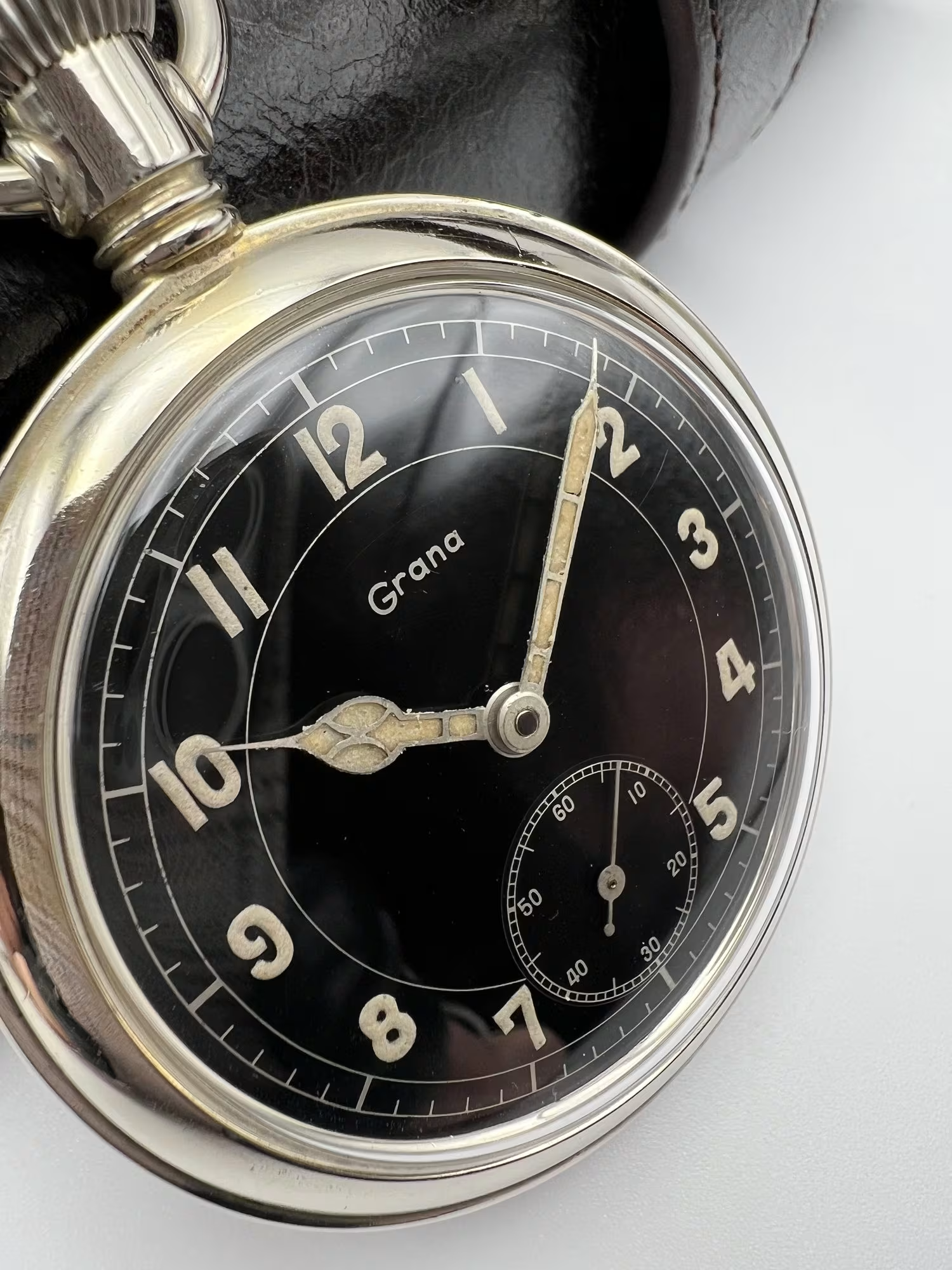
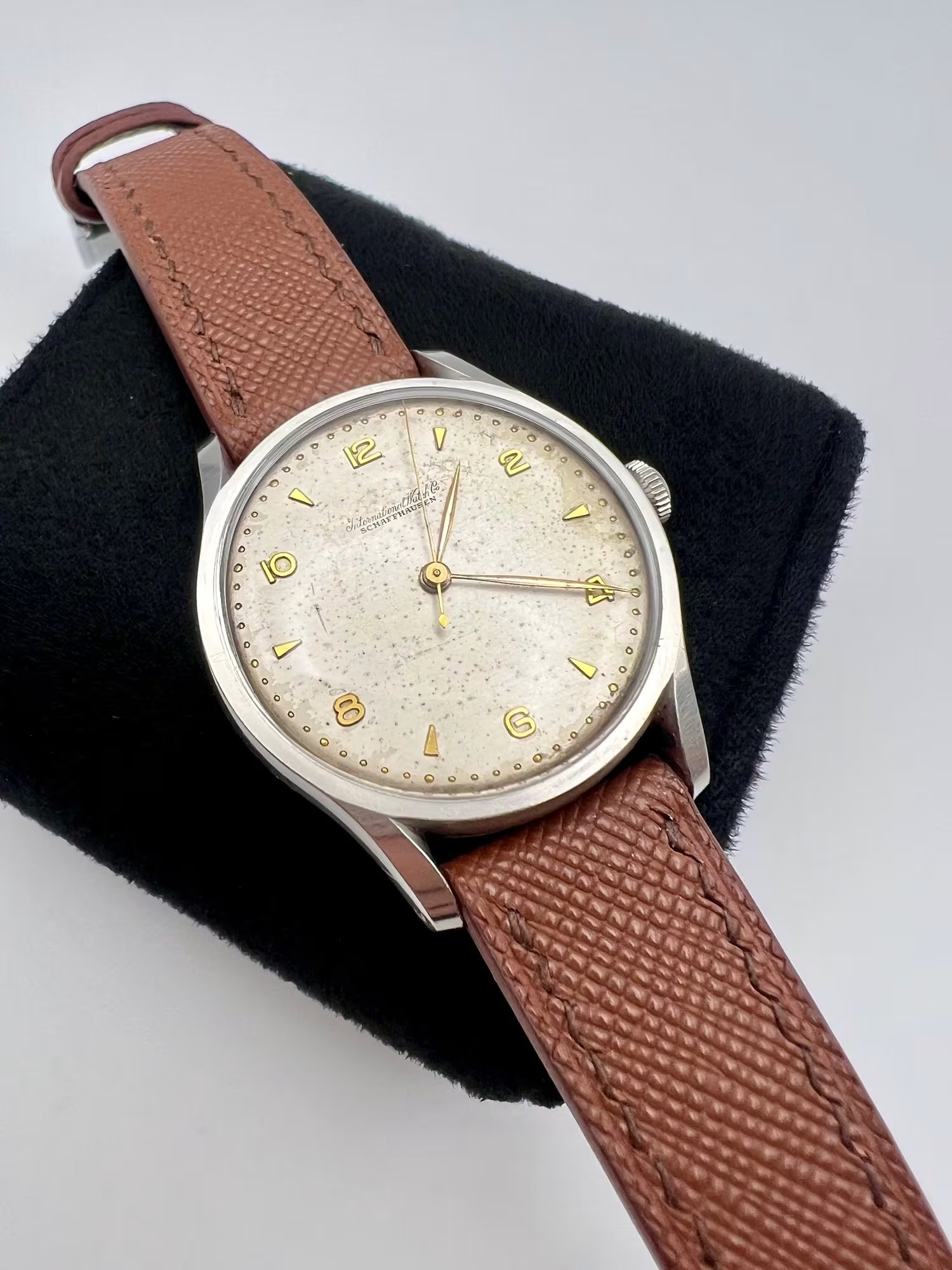
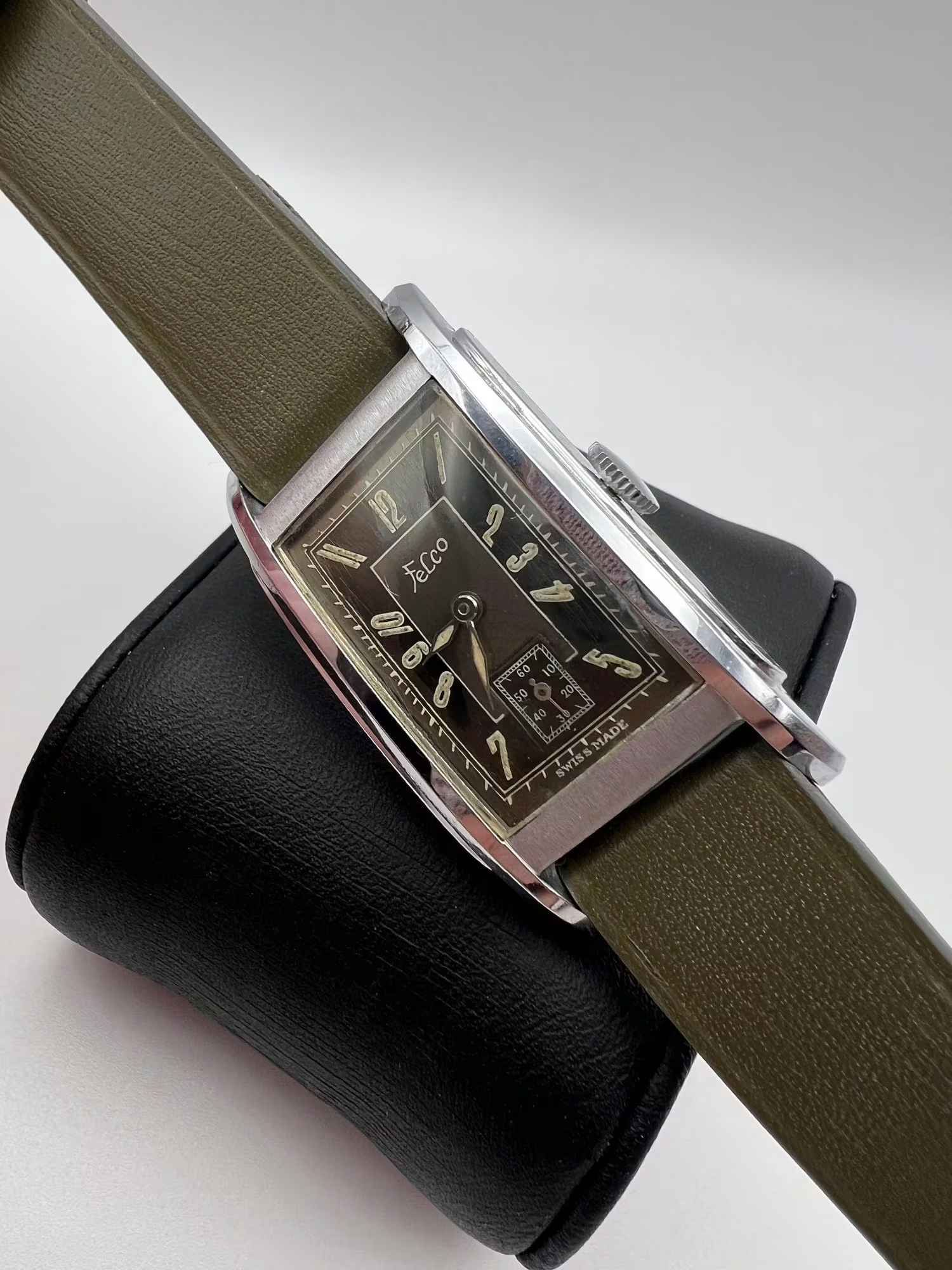
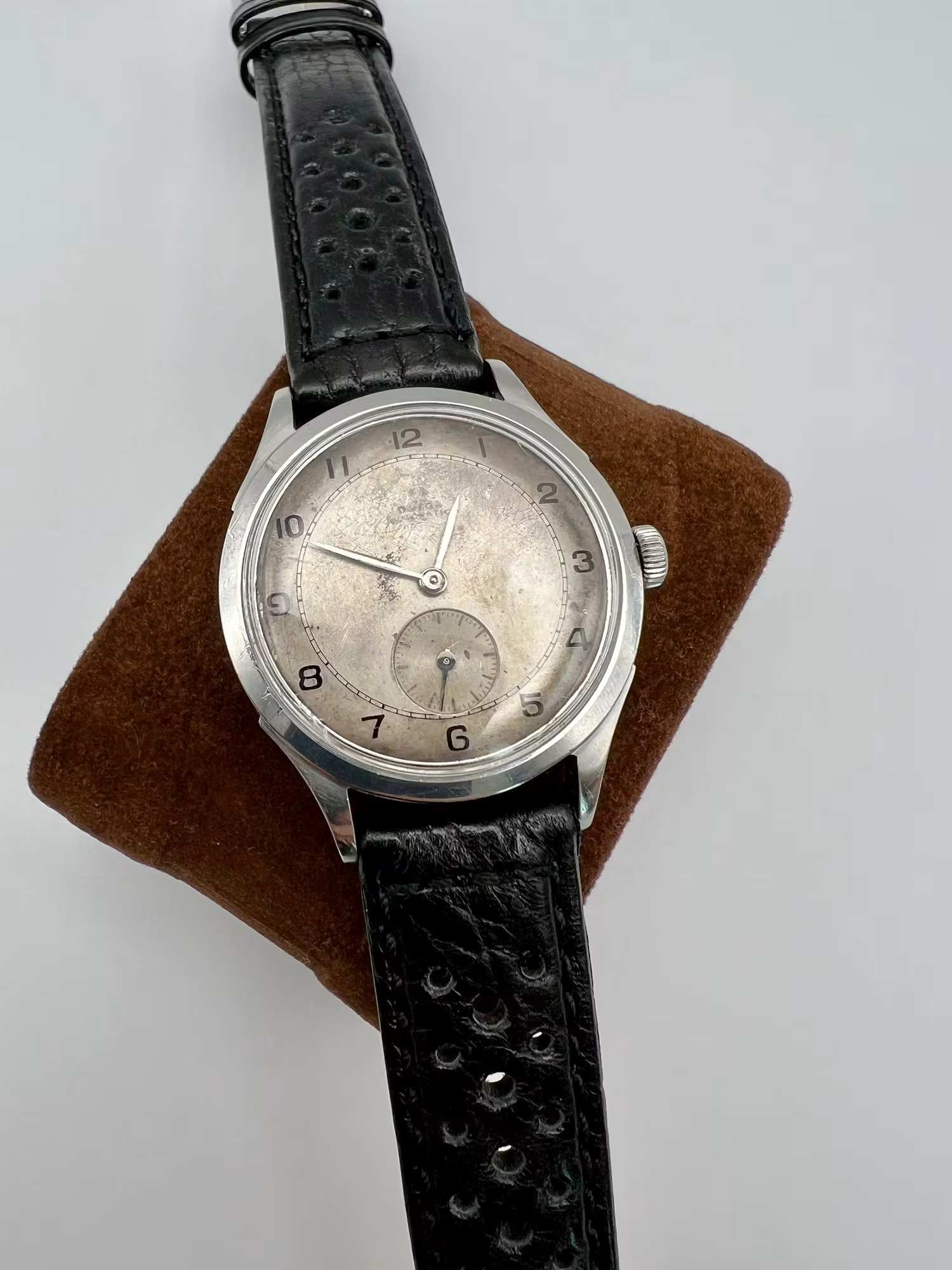
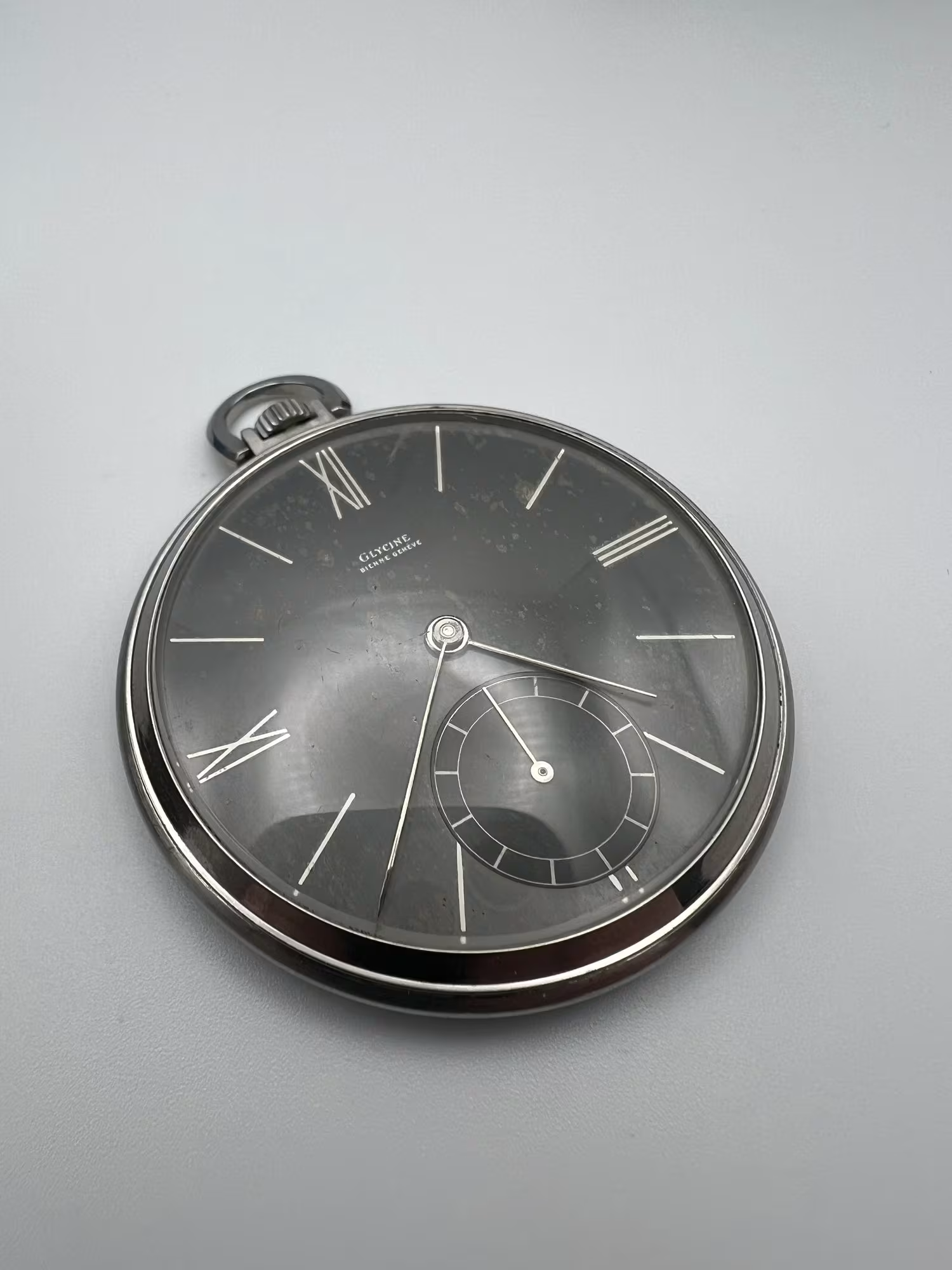
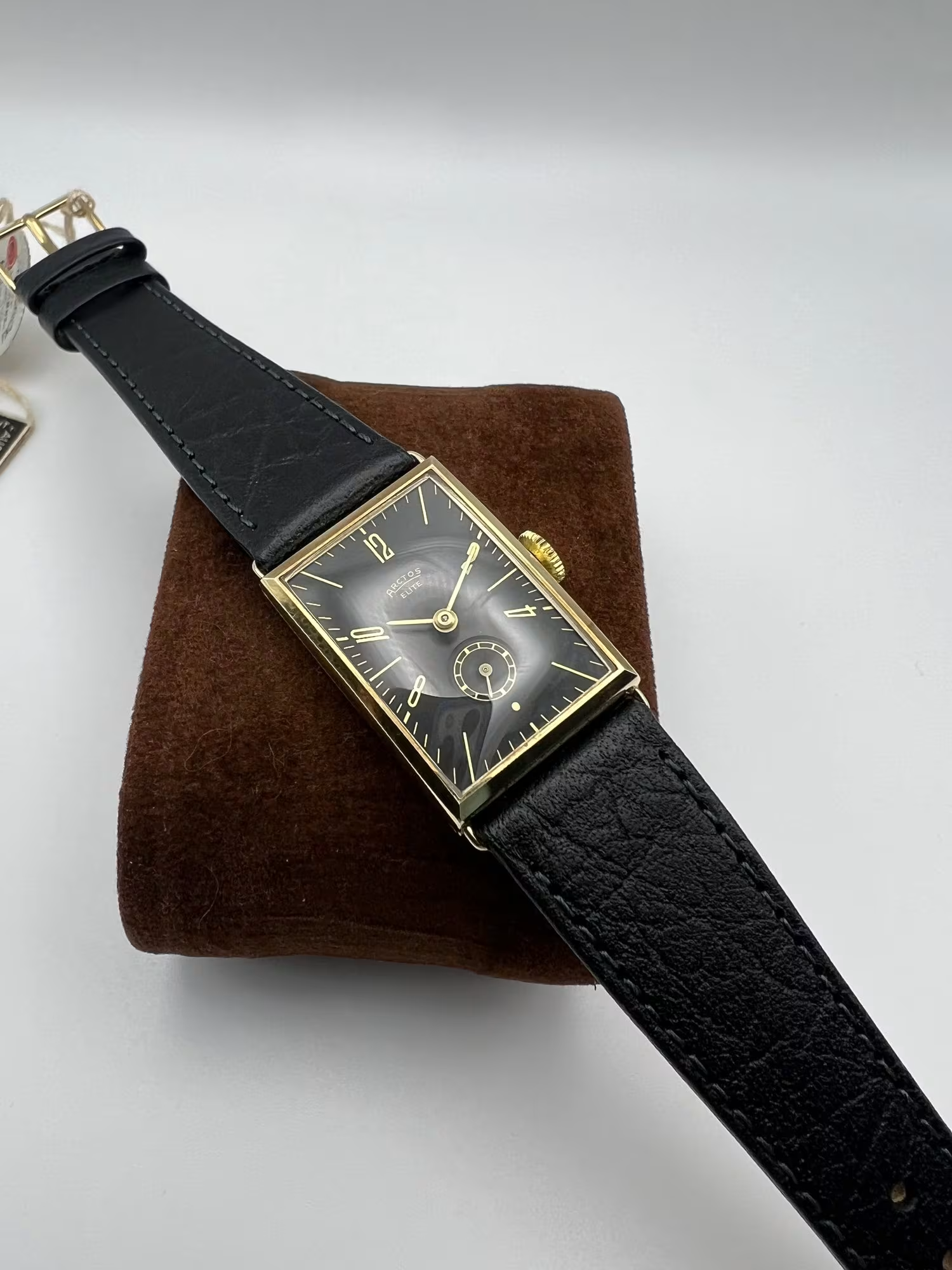
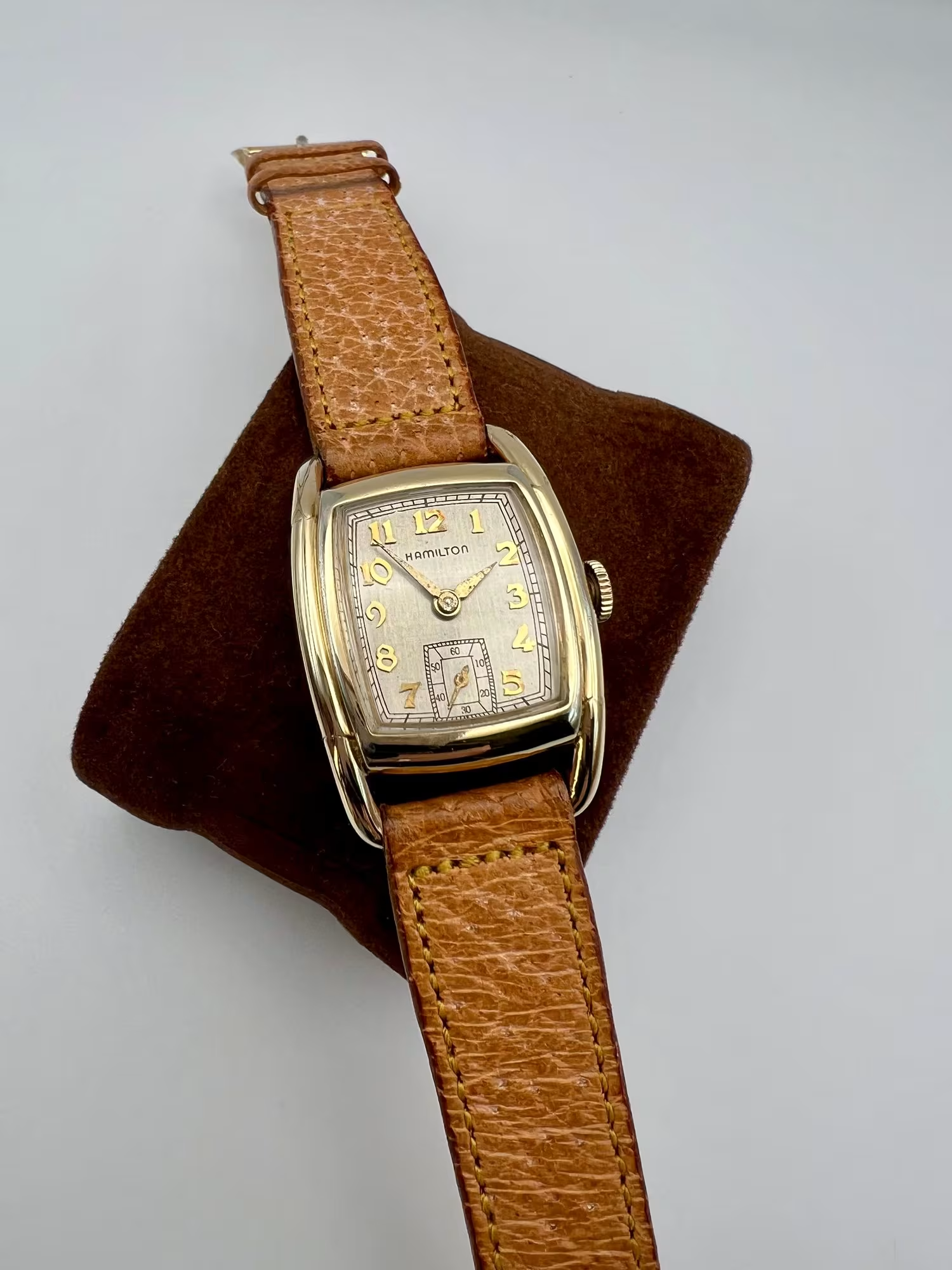
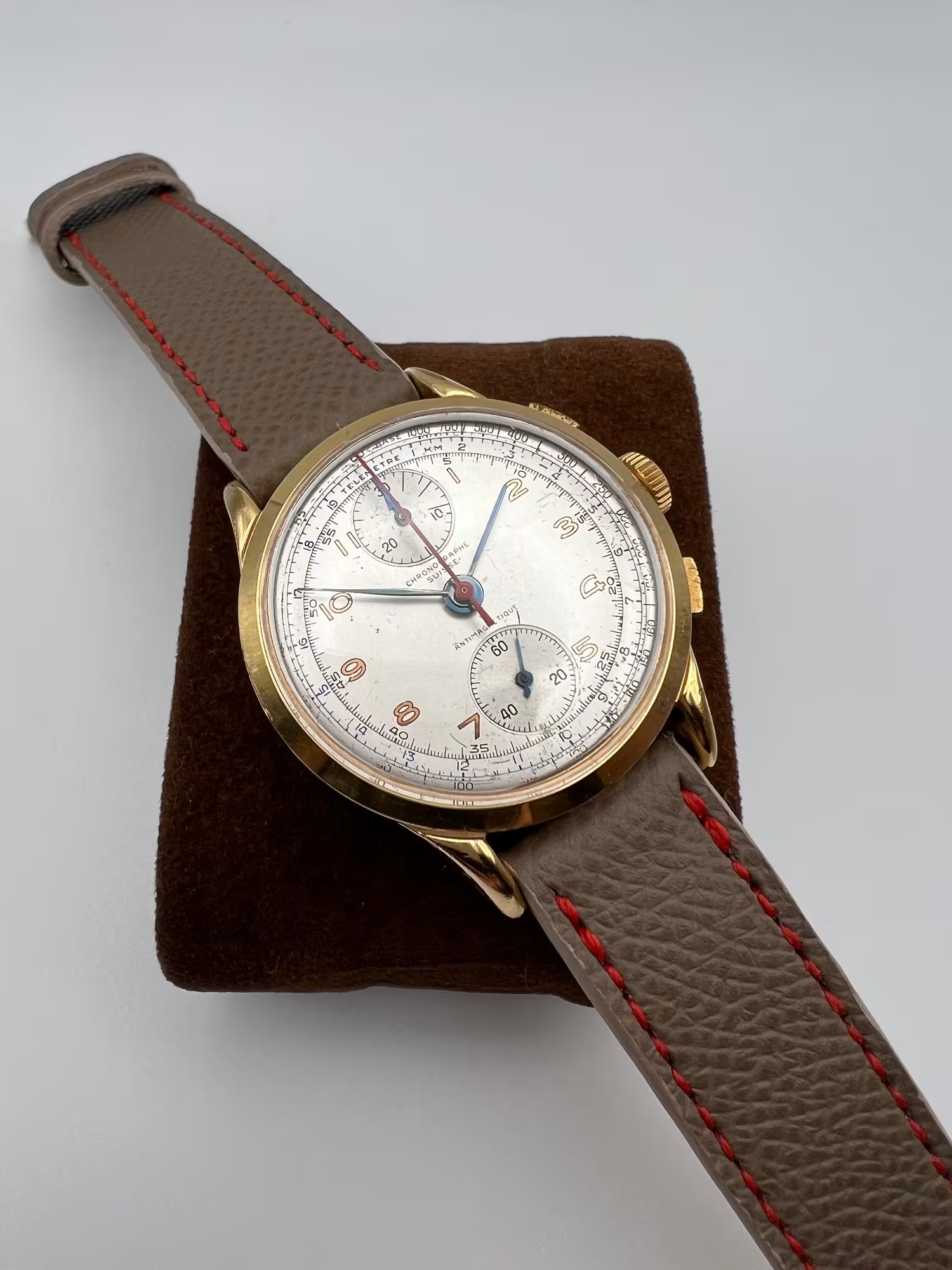
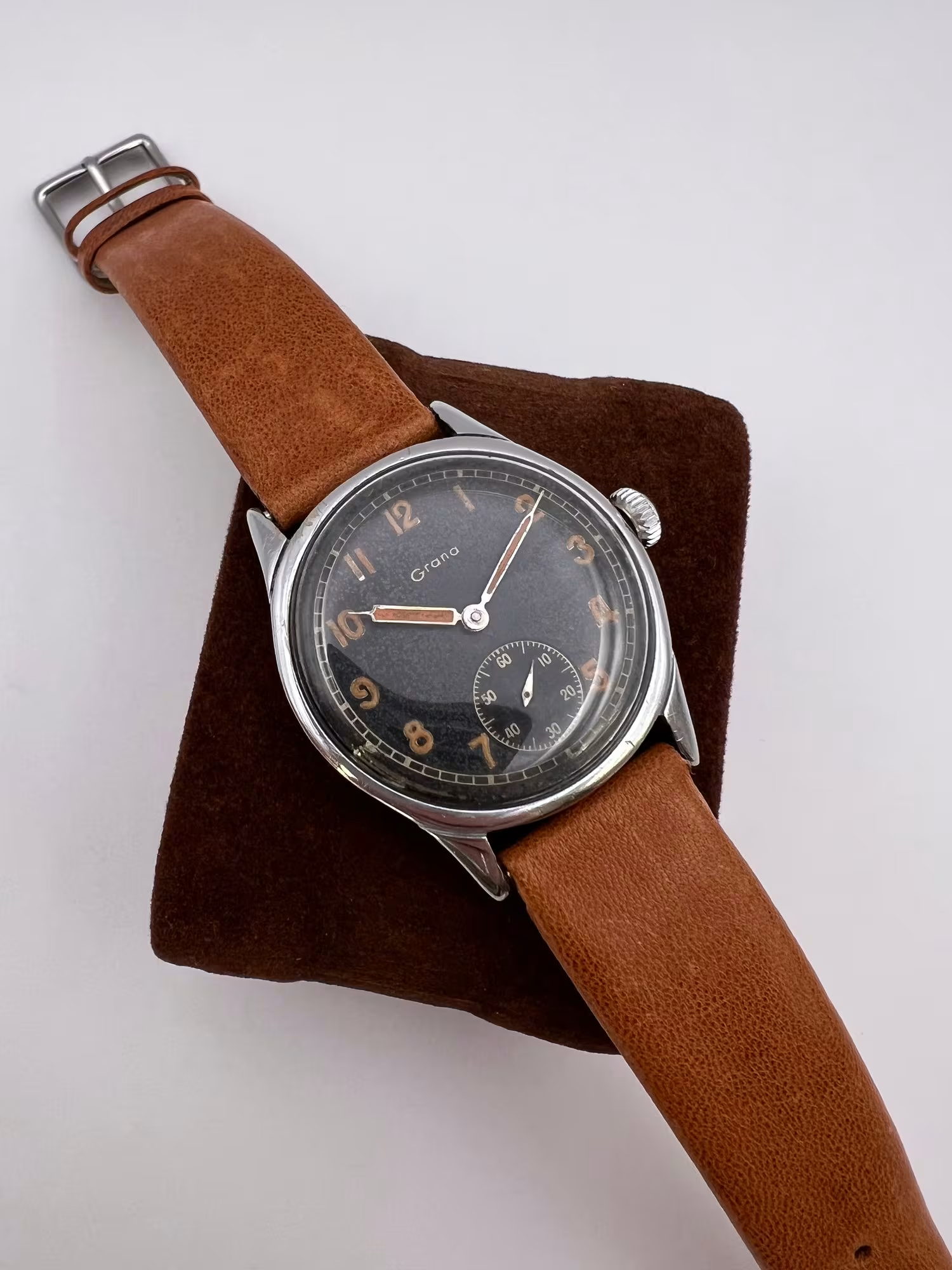
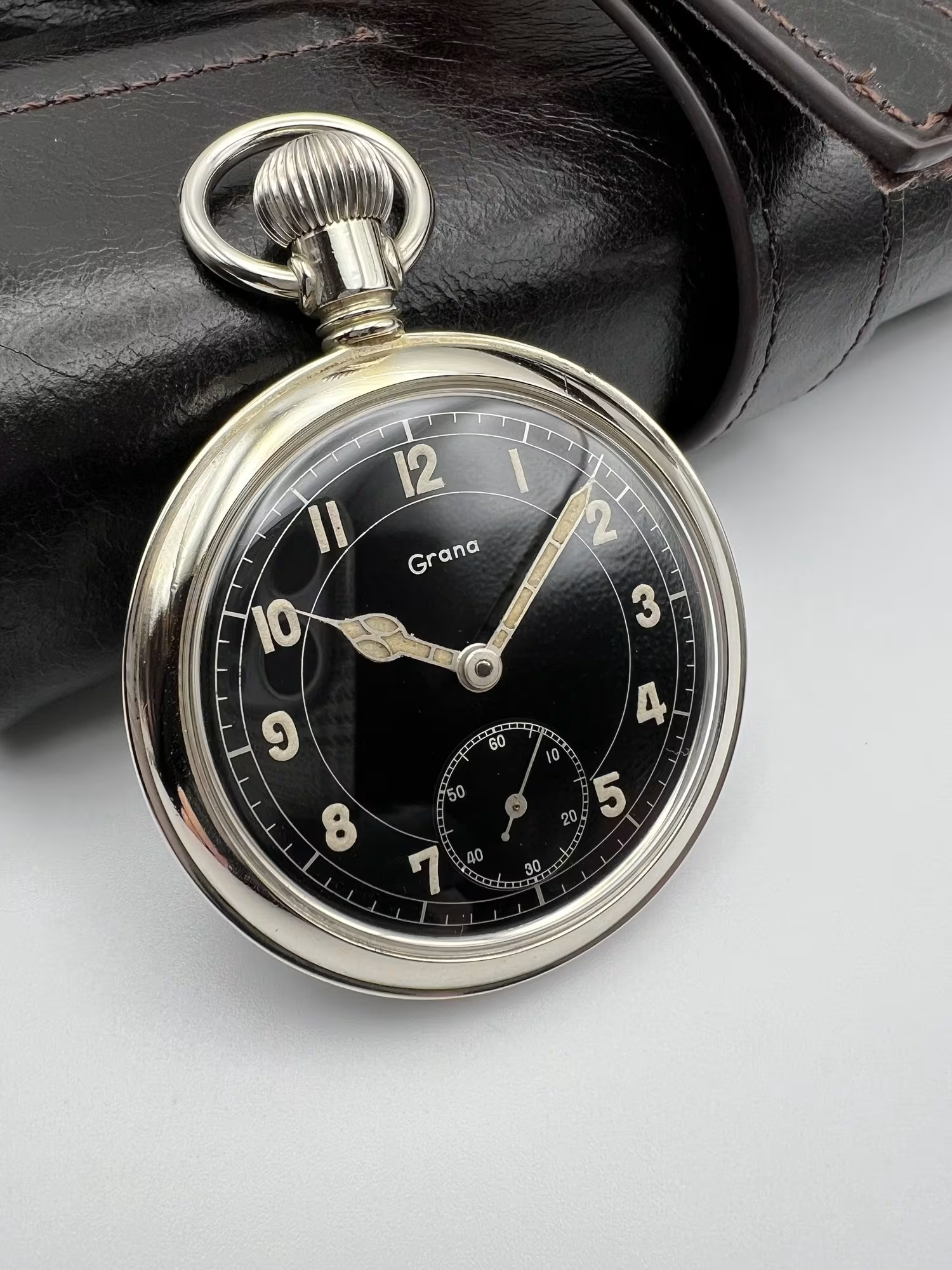
The most size-varied decade of the century: oversized cases past 37mm and small ones under 33mm were both more common than they would be in the 1950s, so a 1940s watch names a range rather than a size. Legibility was the common language — full Arabic numerals at every hour peaked above 70% of production mid-decade, and around seven in ten military watches carry a complete numeral set. Steel roughly doubled its share of production during the war. Omega's 30T2 arrived in 1939 and the British Ministry of Defence ordered 110,000 of them; Rolex's full-rotor patent ran until 1951, so everyone else's automatics were bumper-wound — a hammer swinging between two springs.
These are the watches to buy if you mean to wear vintage rather than store it. They were made in numbers, by people who expected them to be repaired, and a competent watchmaker will still take one on. What to check is the lume: radium was standard until the 1960s, and it should have aged the same way on the hands as on the markers. When it hasn't, something has been apart and someone replaced one and not the other. A redialled military piece is worth a fraction of an honest one, and I say which is which — including when the answer costs me money.
 Sold
Sold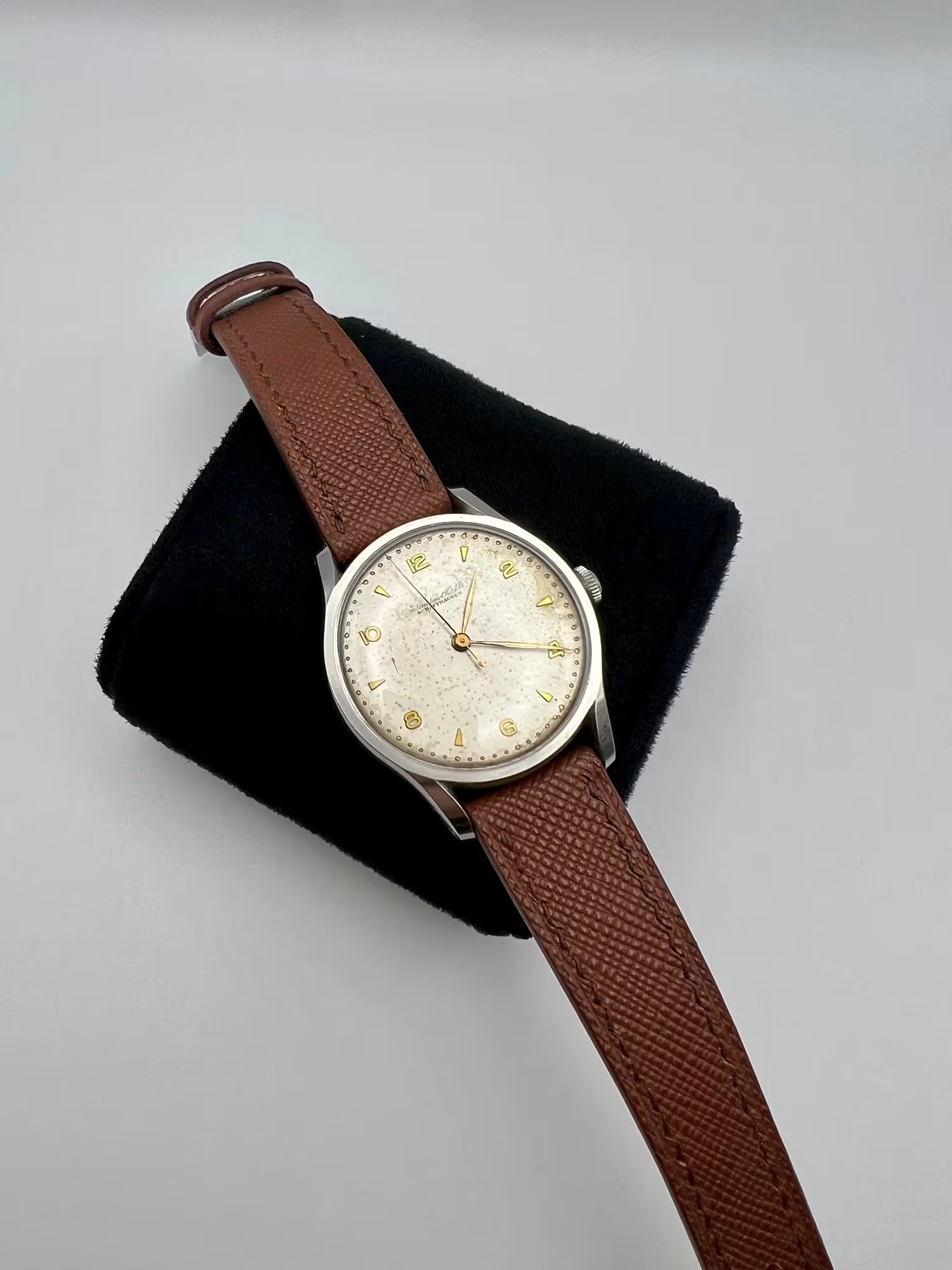
 Sold
Sold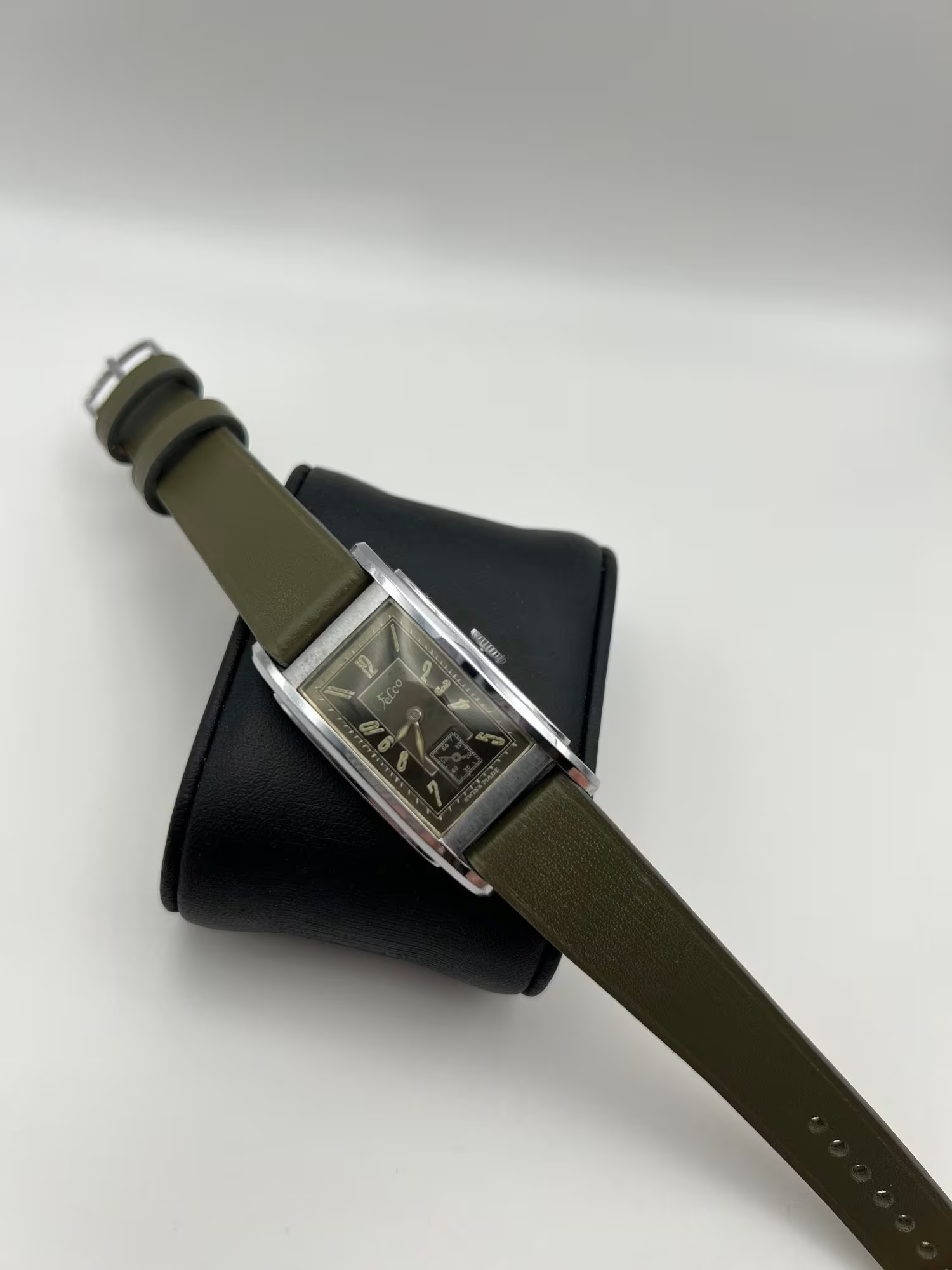
 Sold
Sold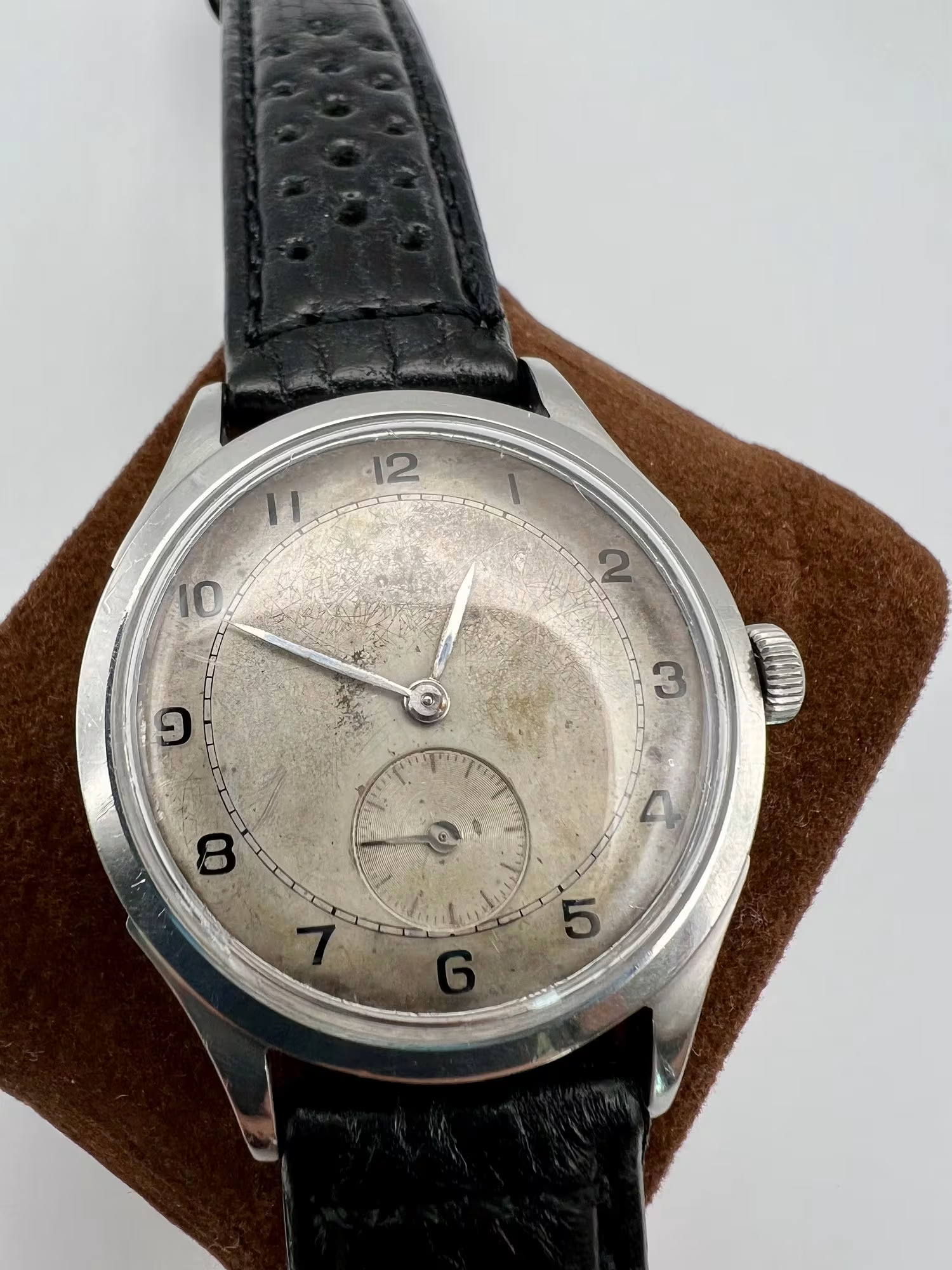
 Sold
Sold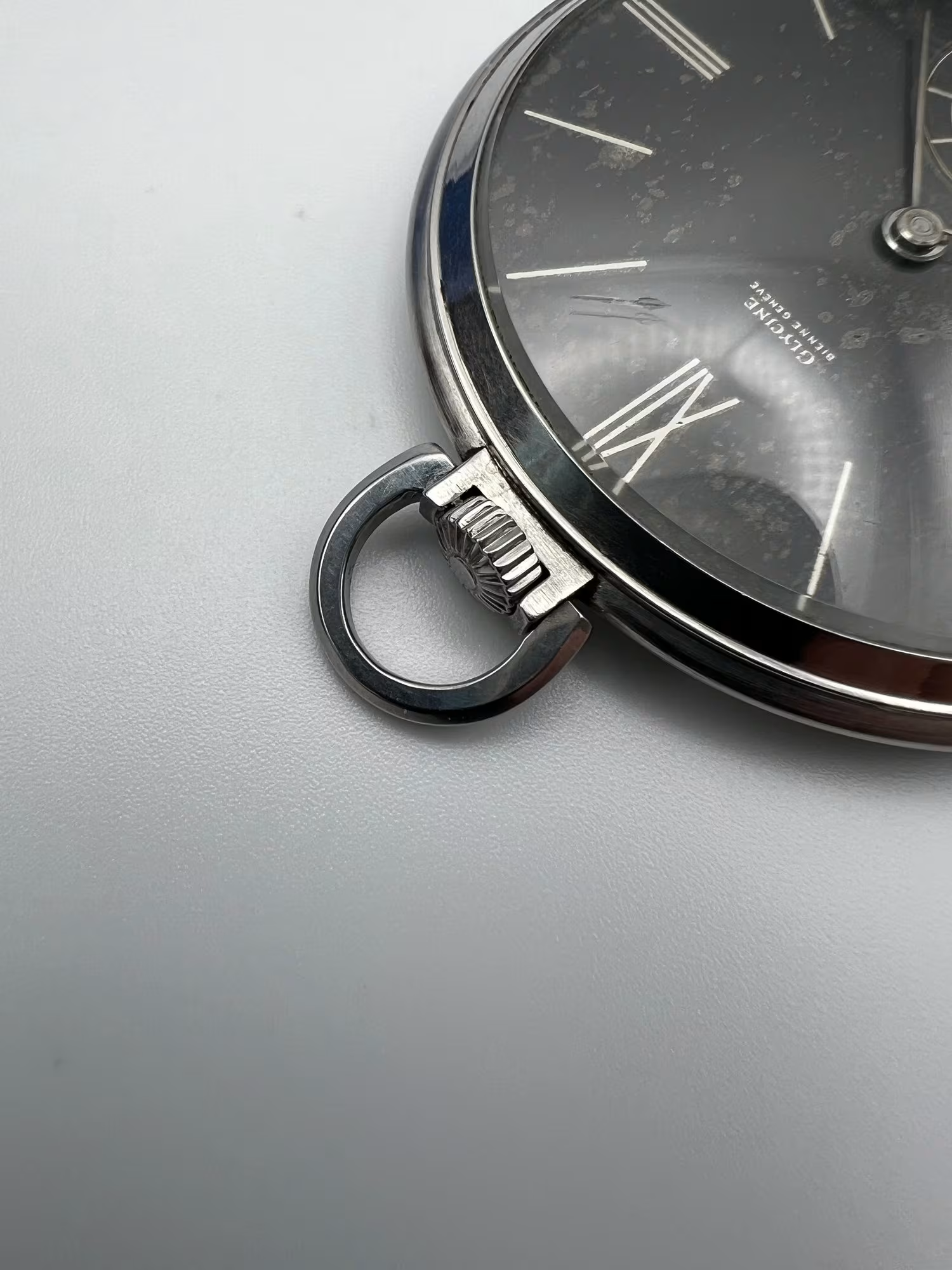
 Sold
Sold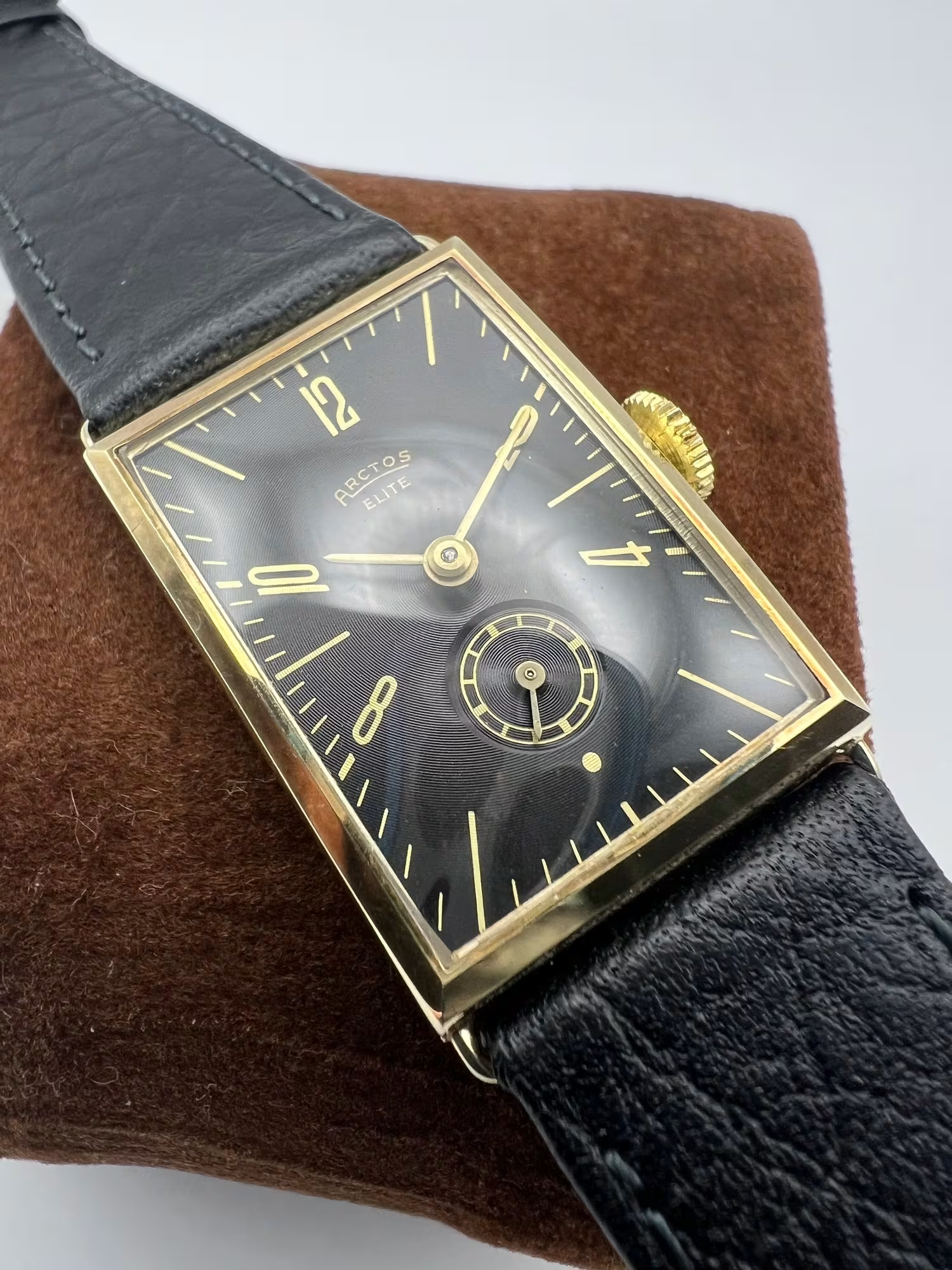
 Sold
Sold
 Sold
Sold
 Sold
Sold
 Sold
Sold