The 1950s
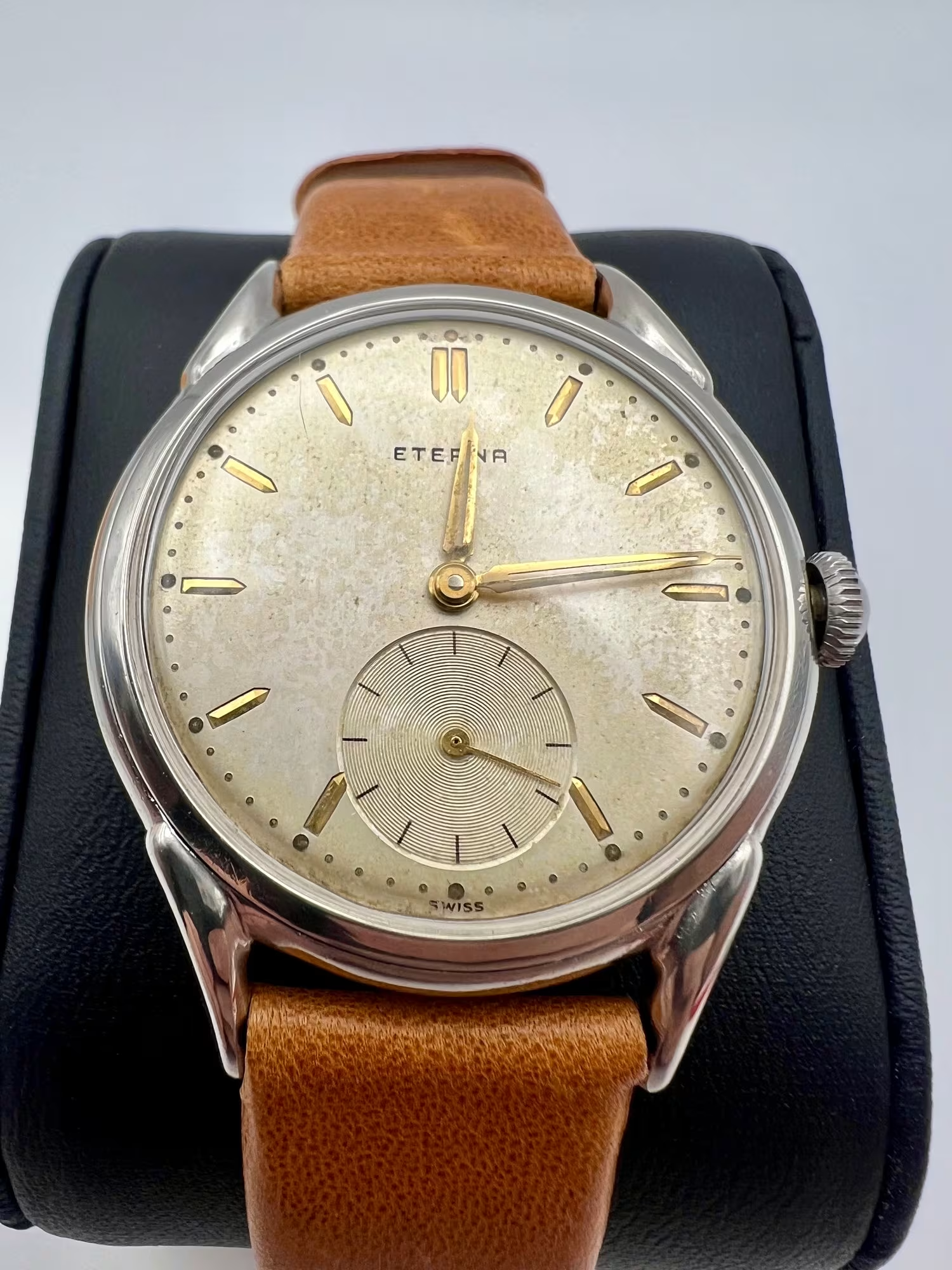
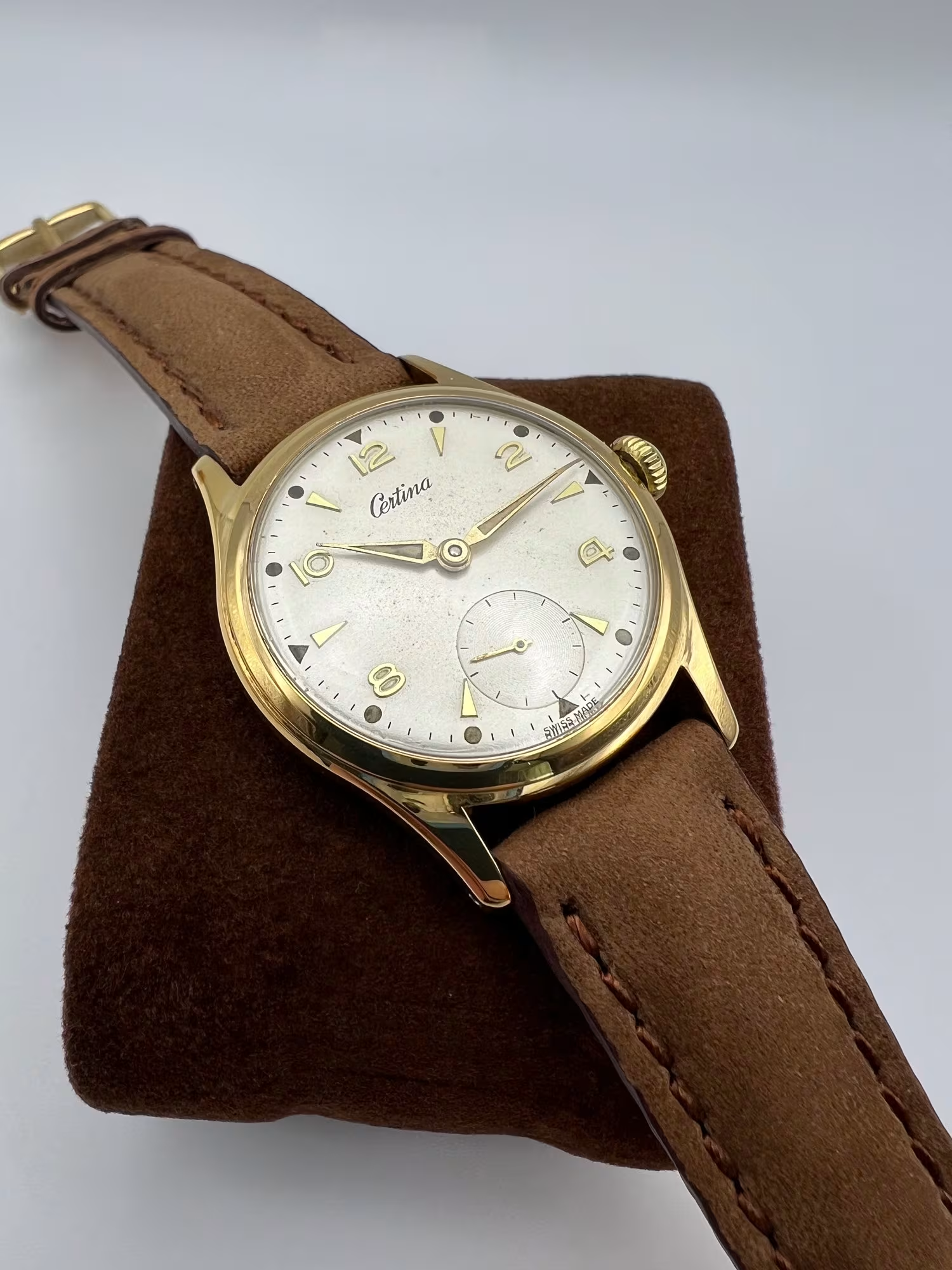
Dress watches at their peak — white dials, dauphine hands, and the arrival of the applied marker.
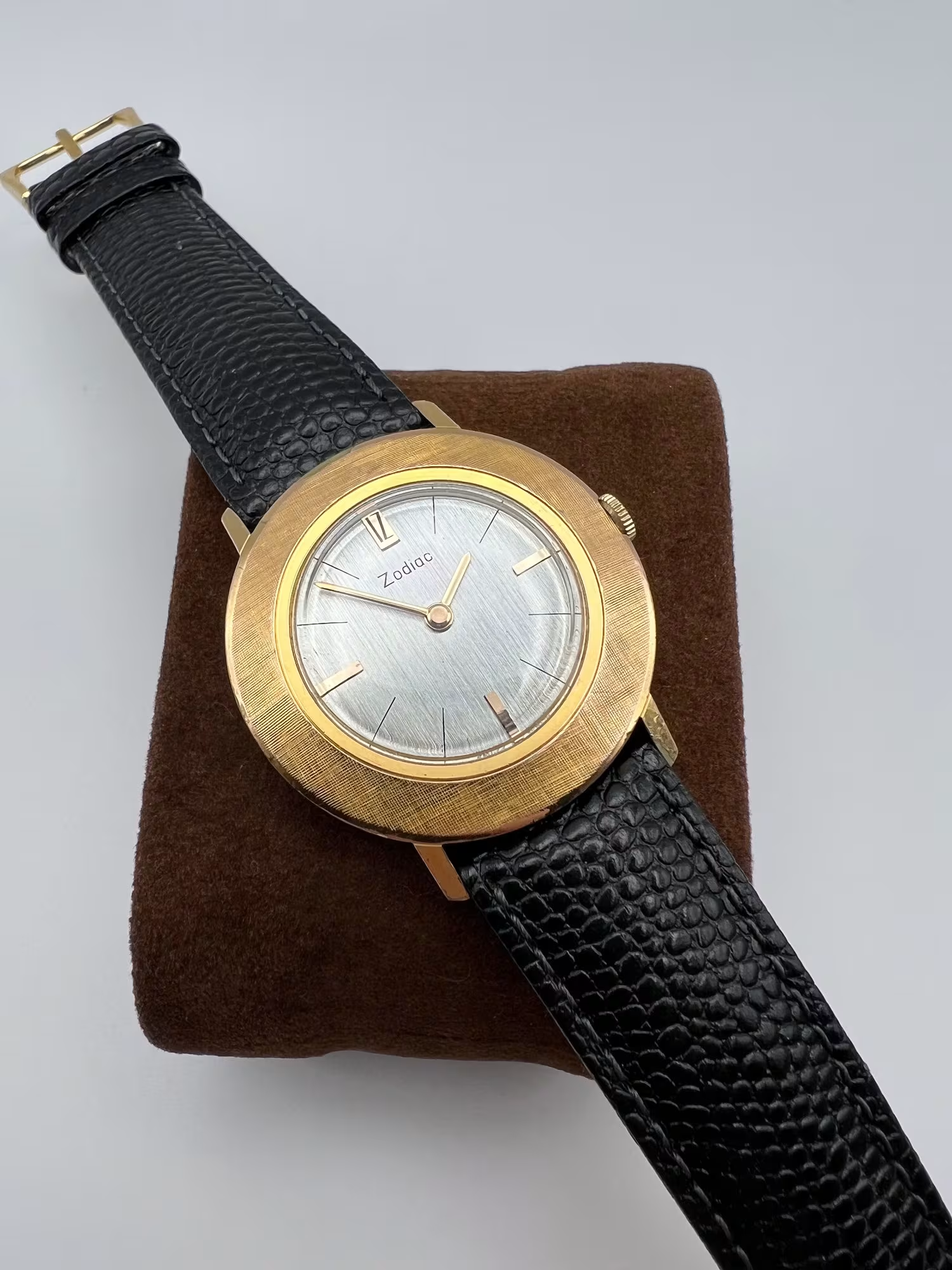
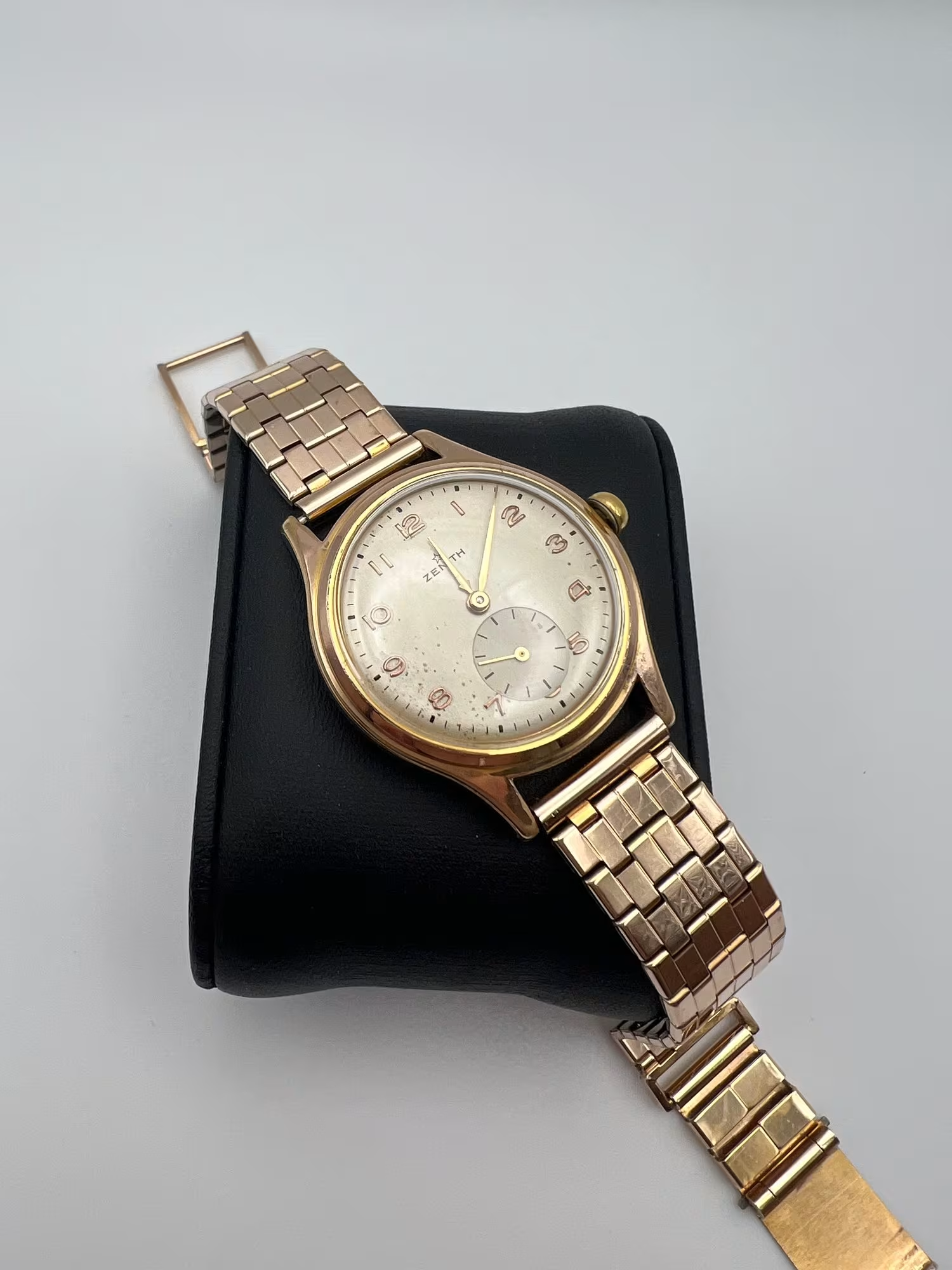
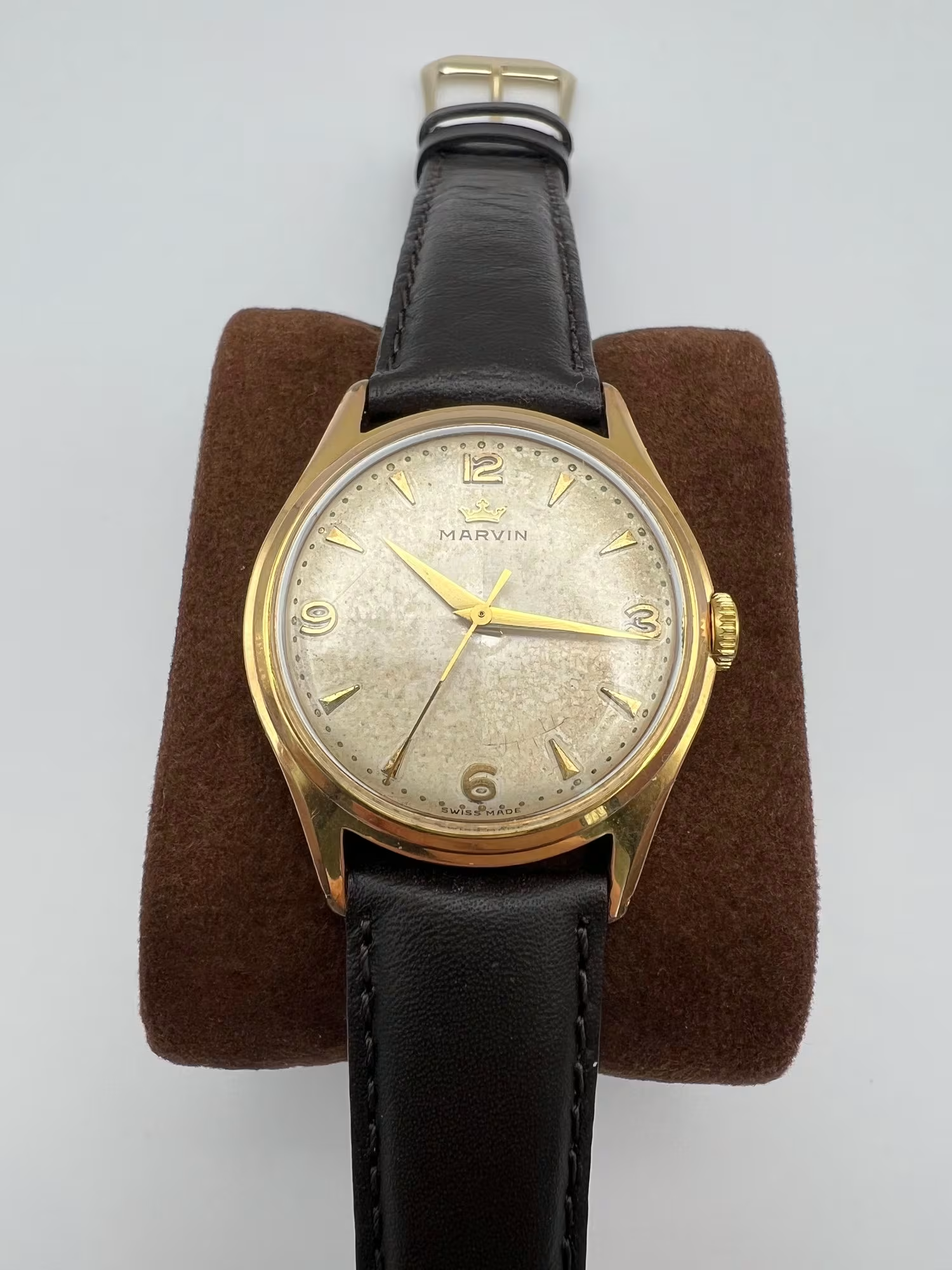
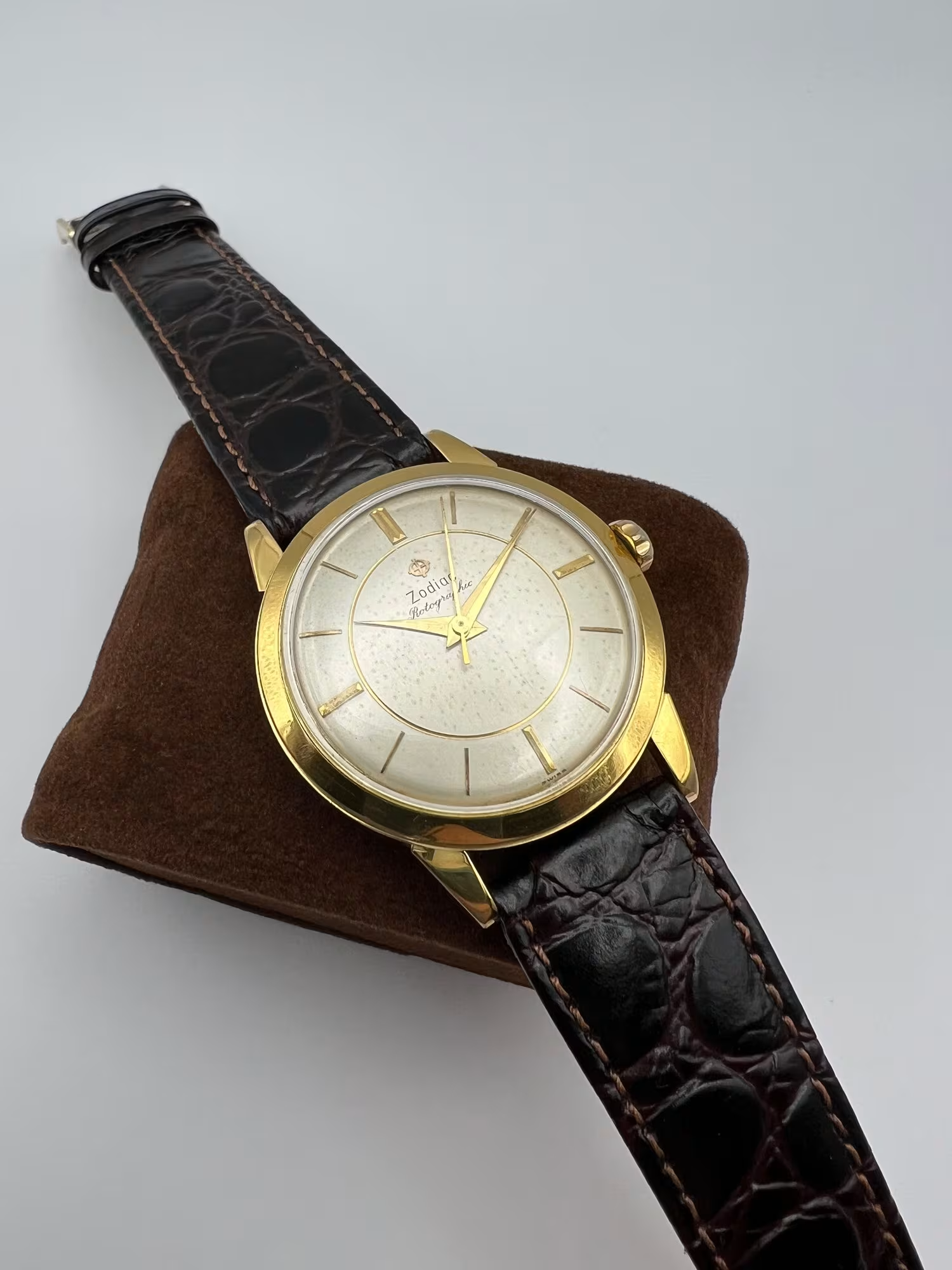
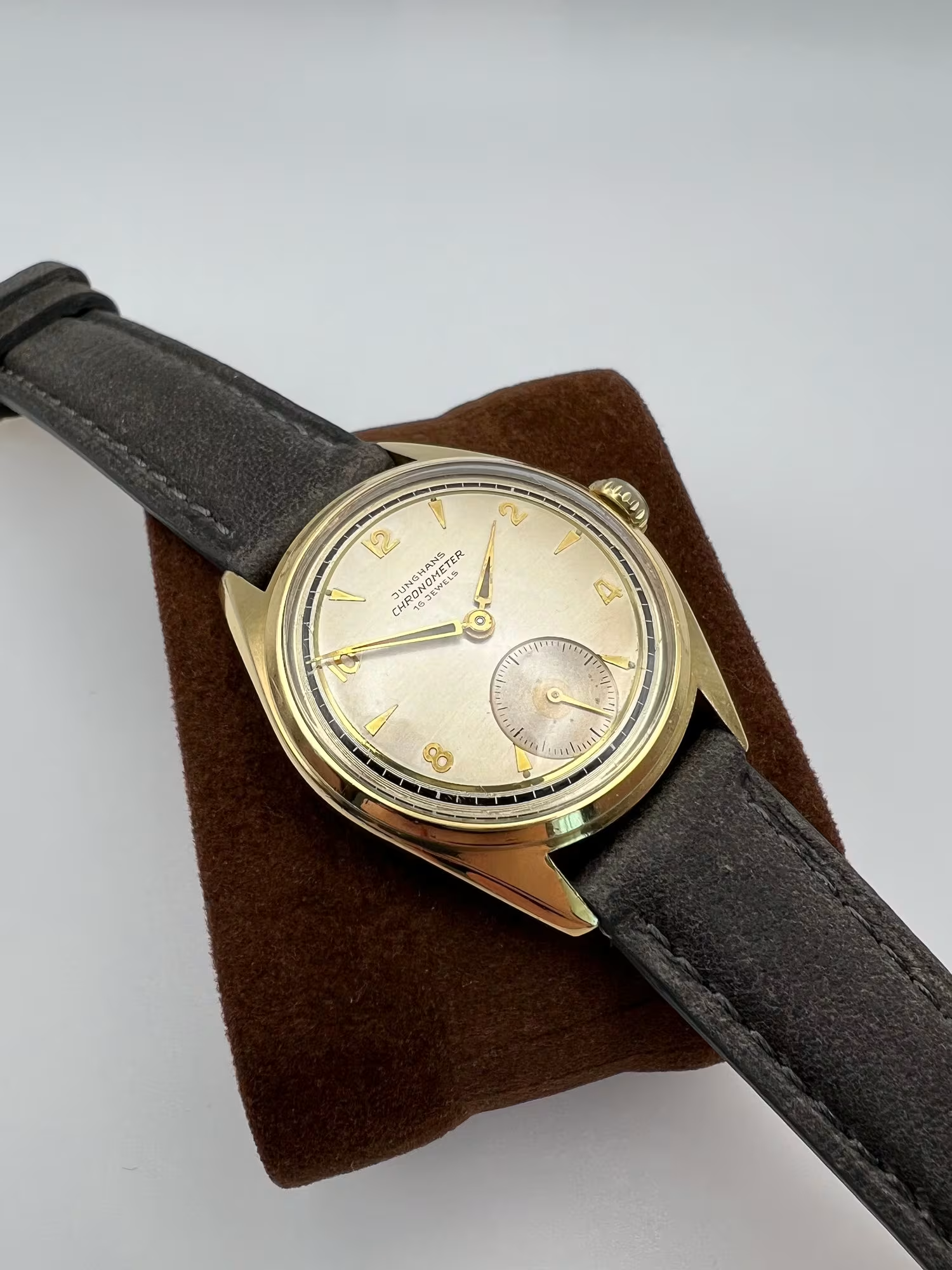
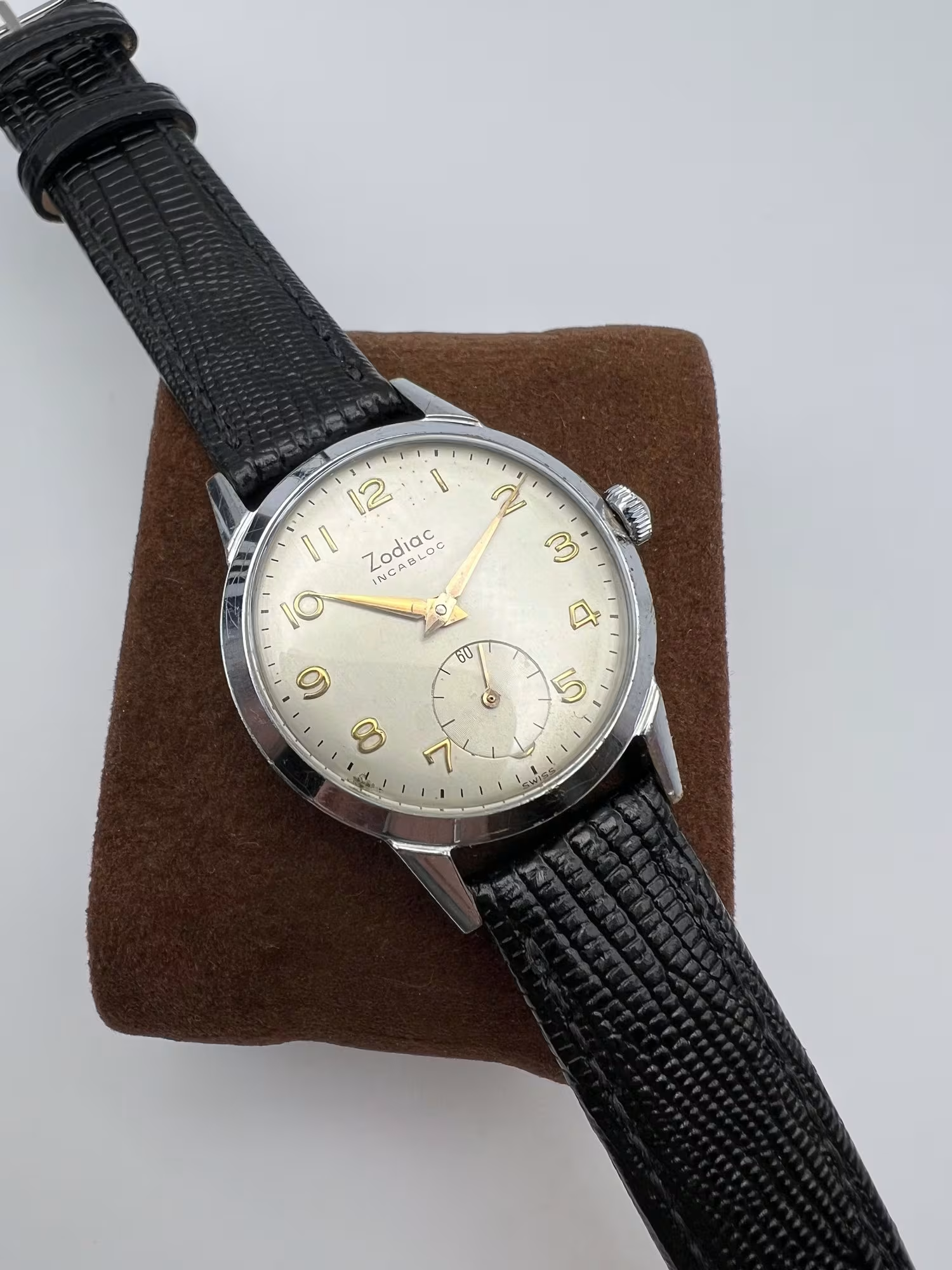
The dress-watch decade, and not by a small margin: around six in ten watches sold were dress watches, and the archetype barely varies — white dial, dauphine hands, dagger or arrow markers. It is also when dials stopped being printed and started being built, as applied metal indices surged through the decade and became the mark of a better watch. Underneath, the mechanics opened up: Rolex's full-rotor patent expired in 1951 and every other maker could finally build a modern automatic. The first true dive watches appear here too — Rolex's Turnograph in 1953 — but they are still the minority report.
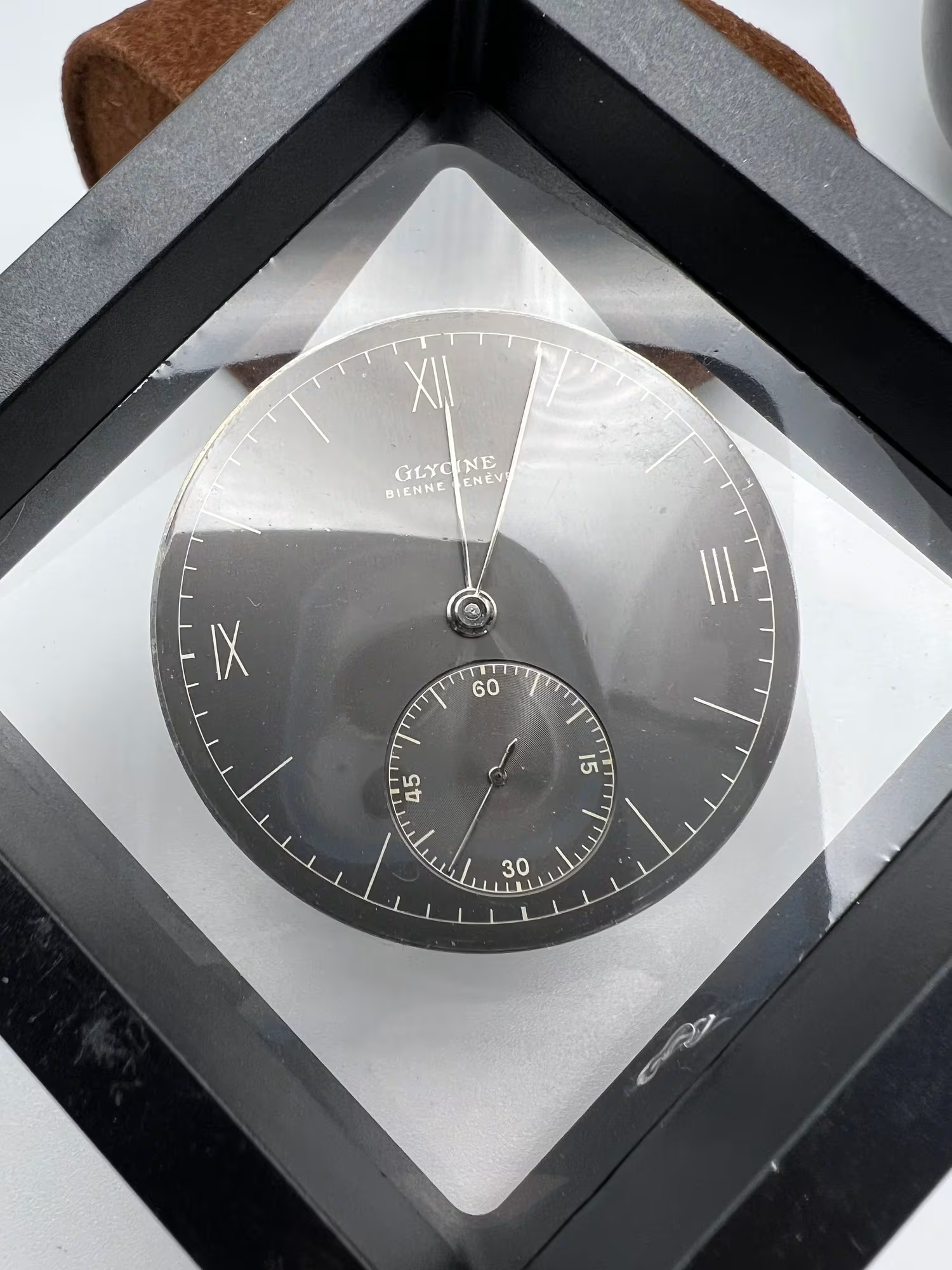
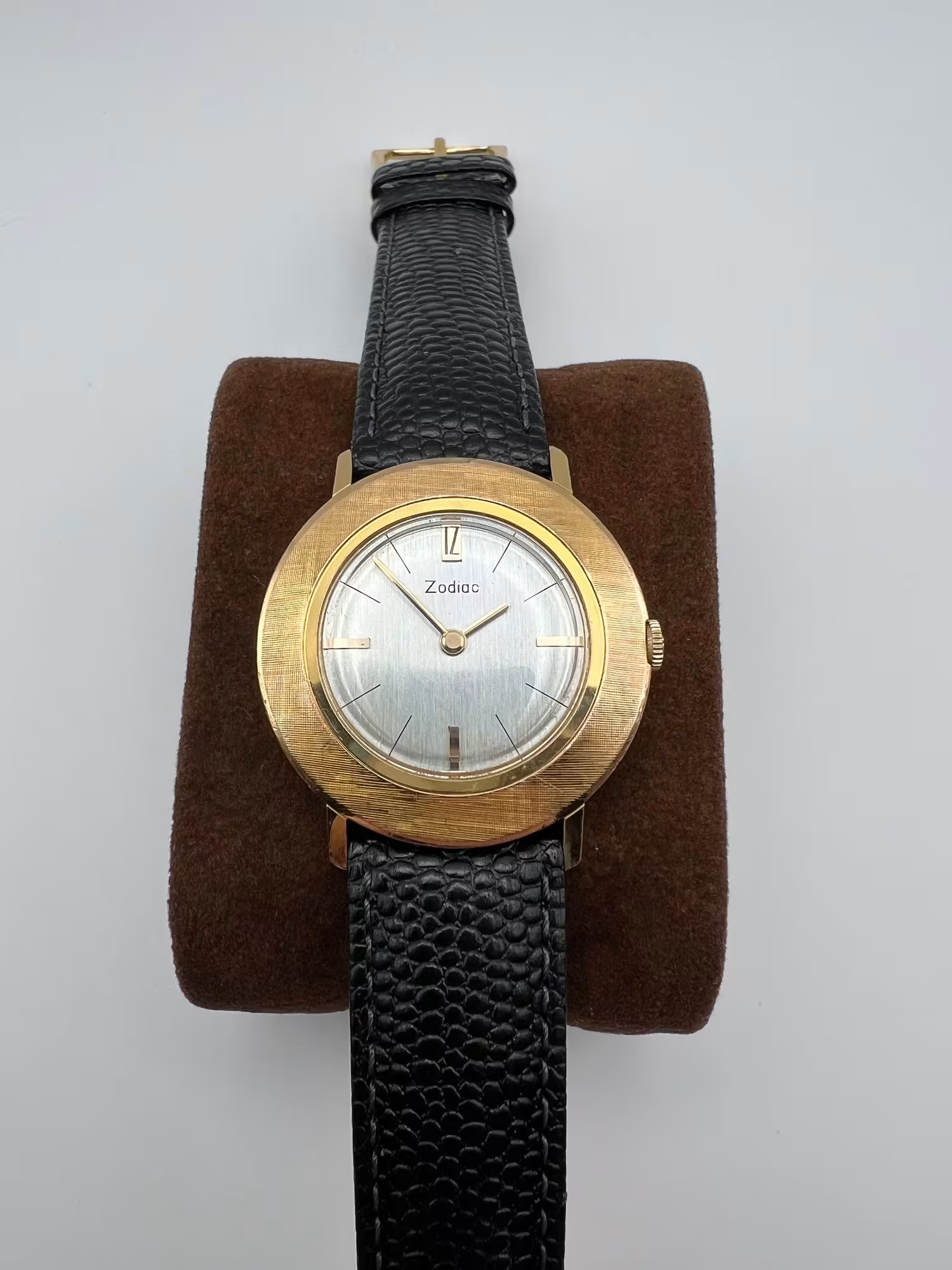
This is the deepest part of my collection and the best place to learn what condition is worth. Because the 1950s dress watch was made in such volume, scarcity almost never sets the price — originality does. A white dial is the easiest thing in watchmaking to refinish convincingly, so that is where I spend my time and where you should spend your scepticism: the sharpness of the printing, the seat of the applied markers, whether the lume in the markers matches the lume in the hands. Crisp case edges are worth more than any signature on the dial.
 Sold
Sold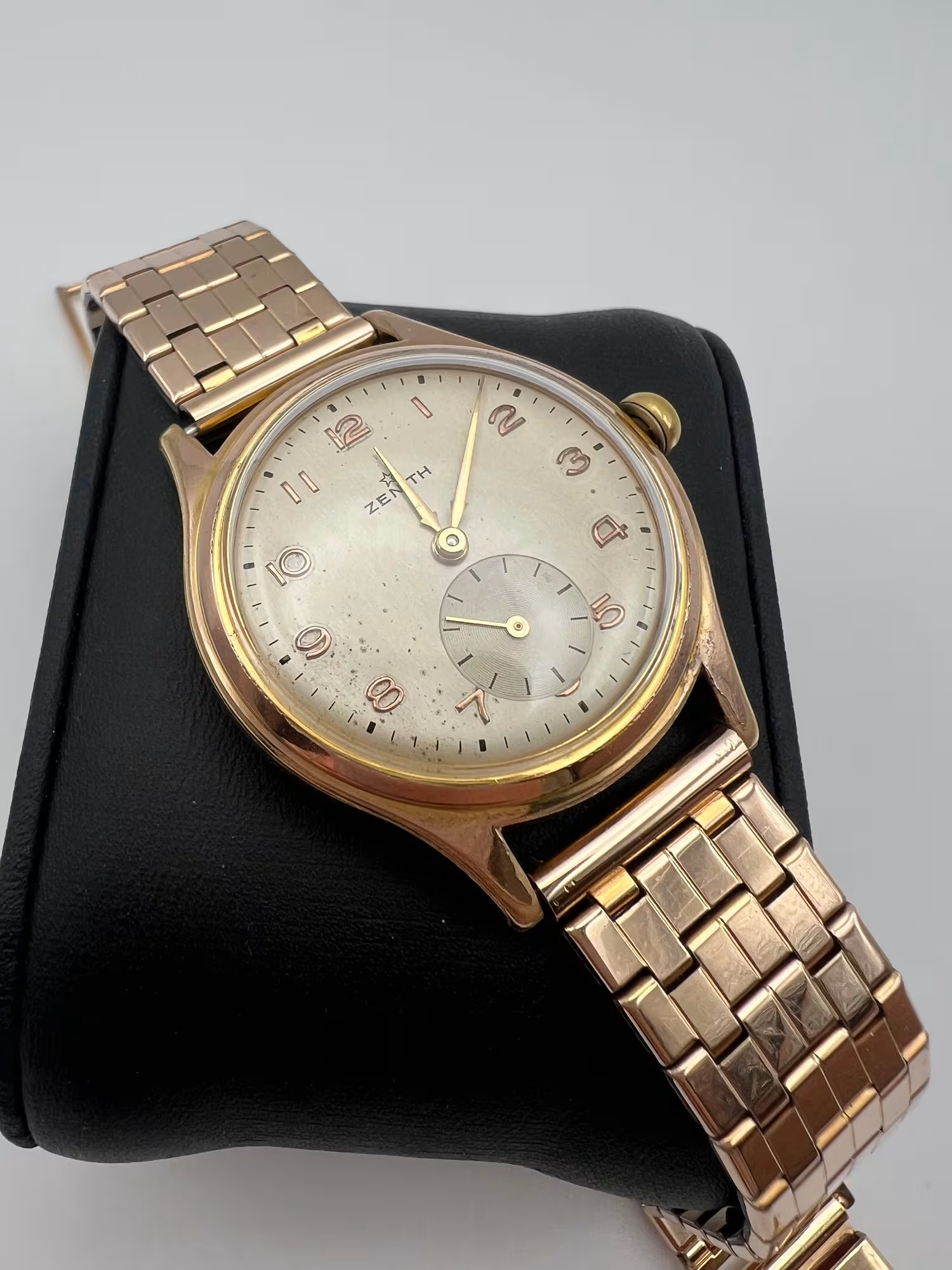
 Sold
Sold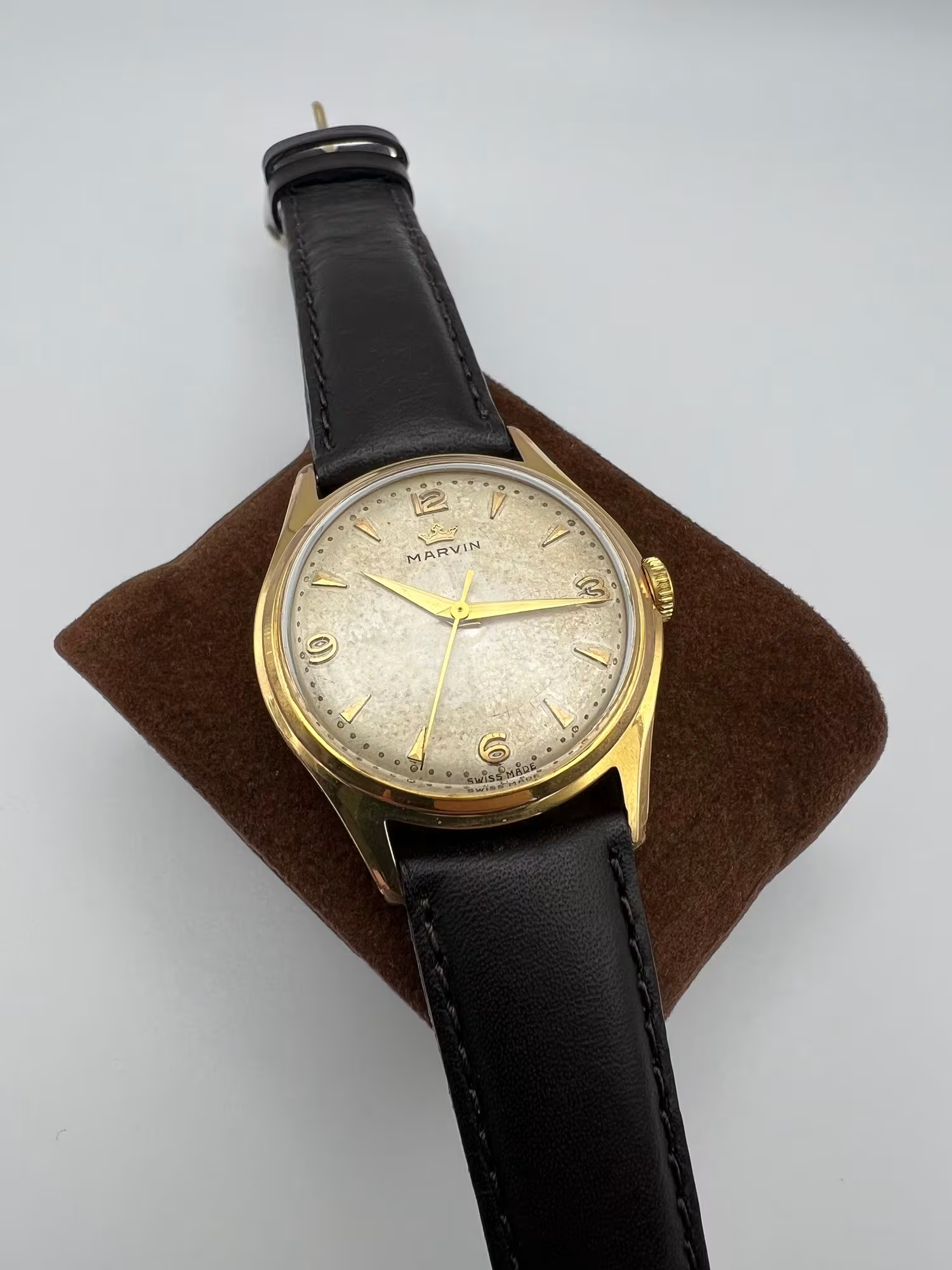
 Sold
Sold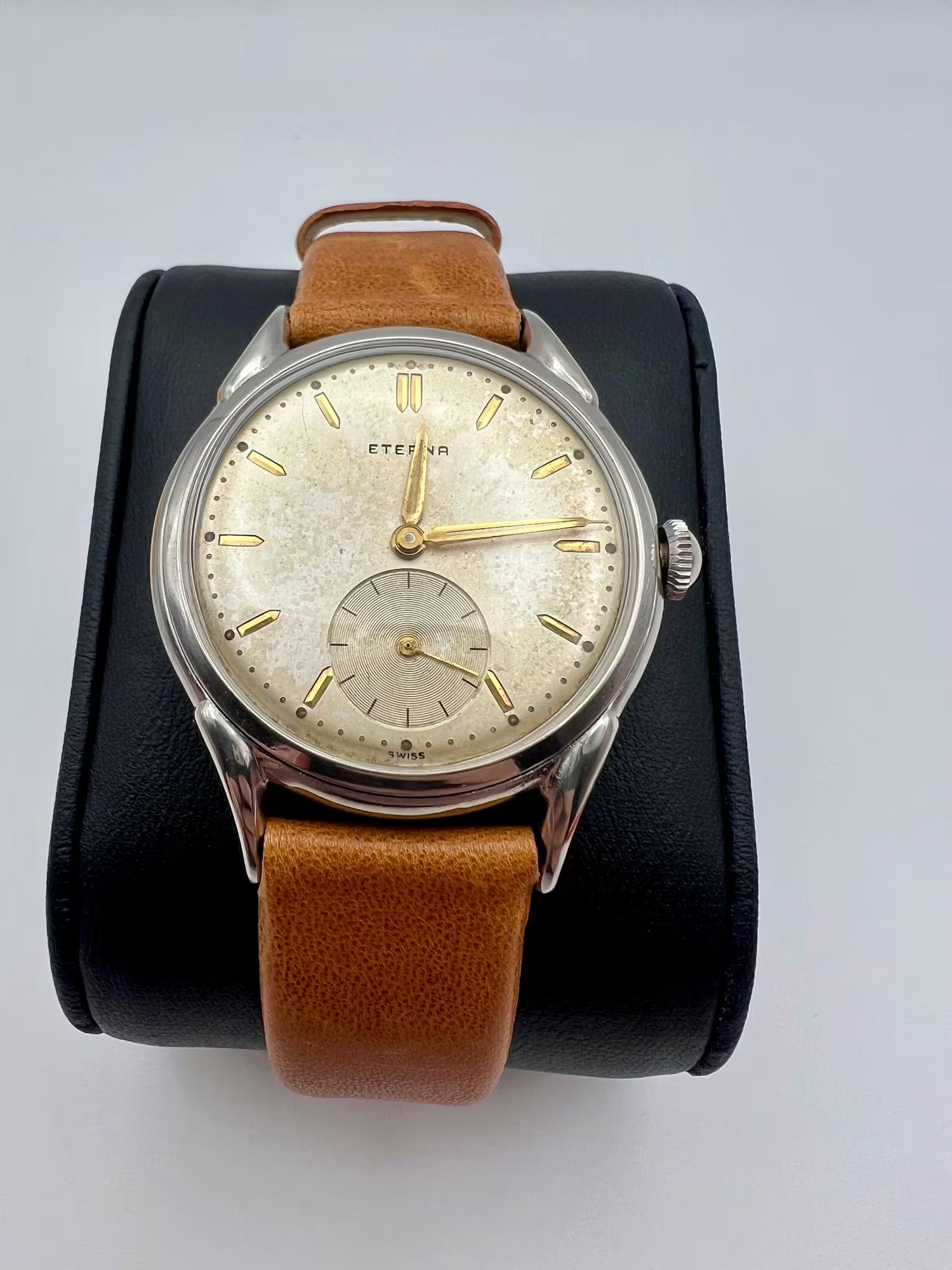
 Sold
Sold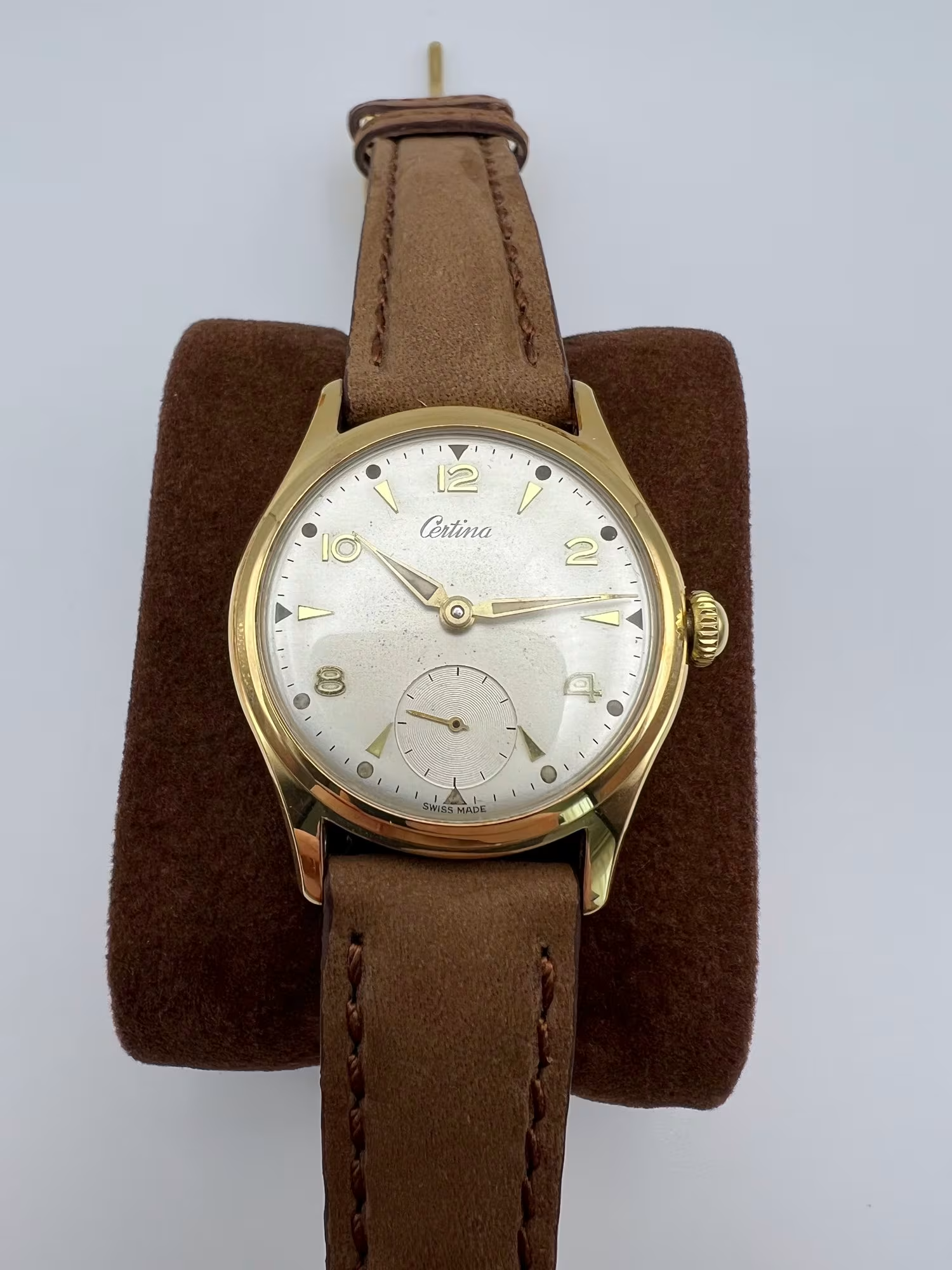
 Sold
Sold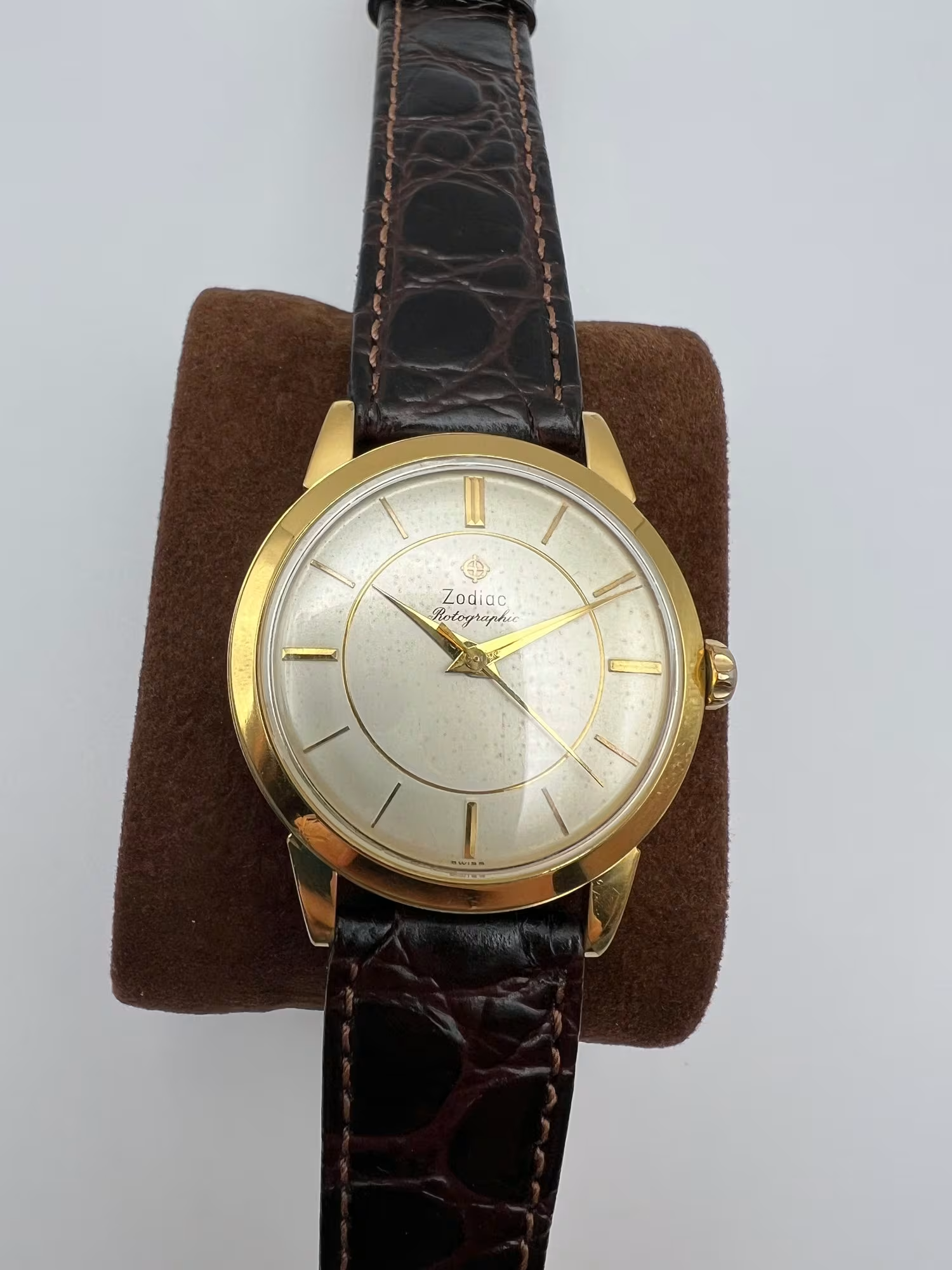
 Sold
Sold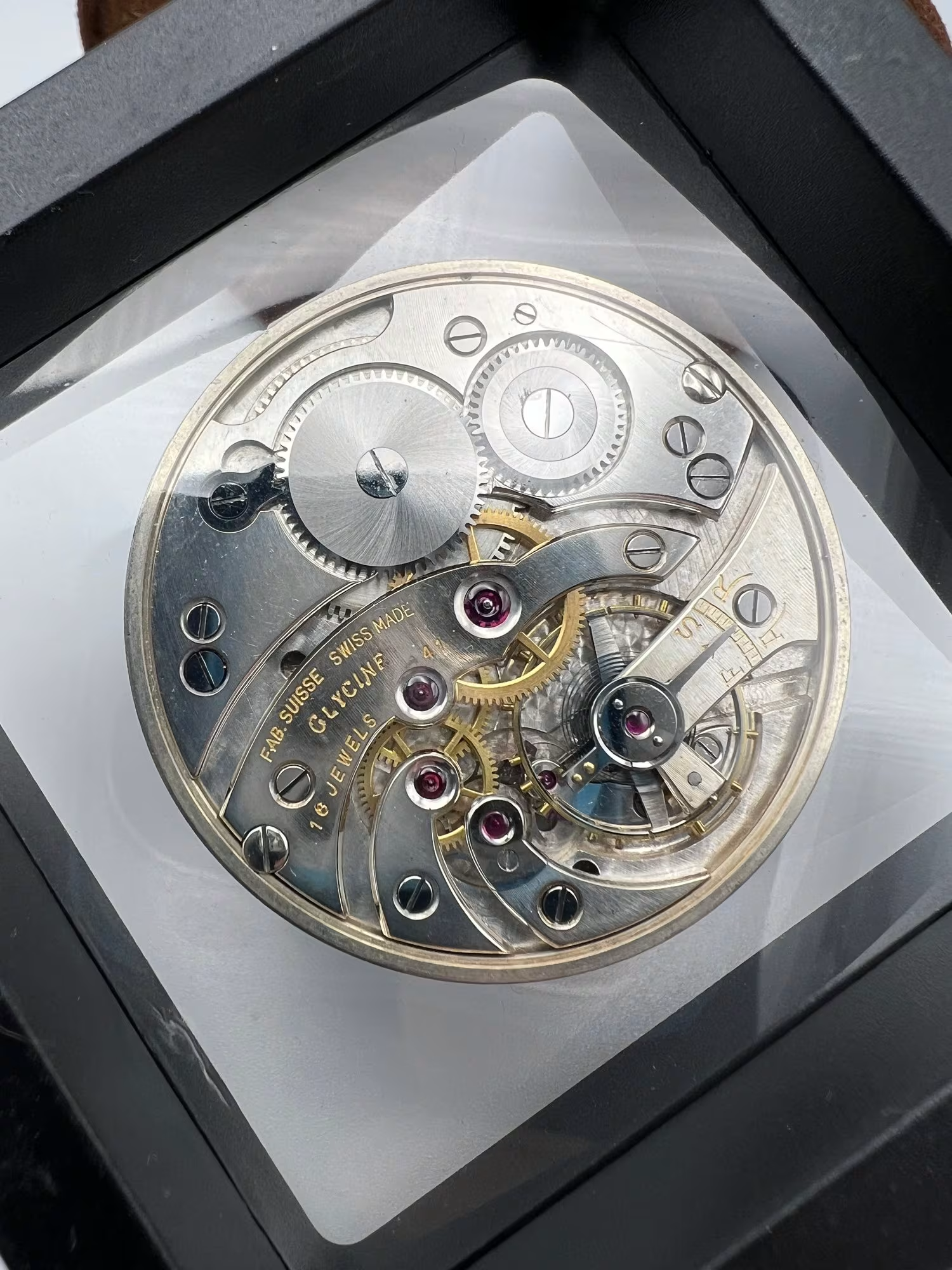
 Sold
Sold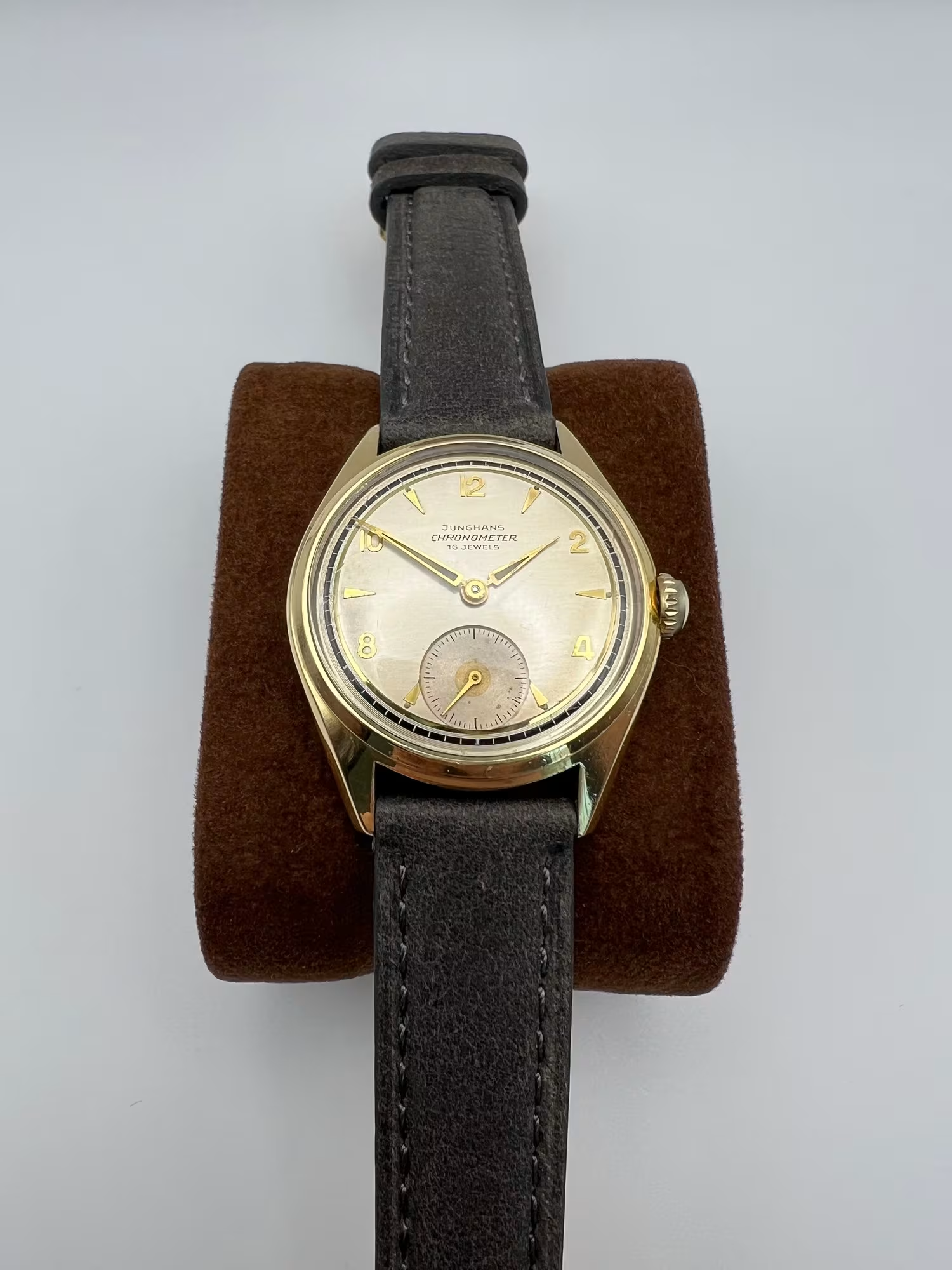
 Sold
Sold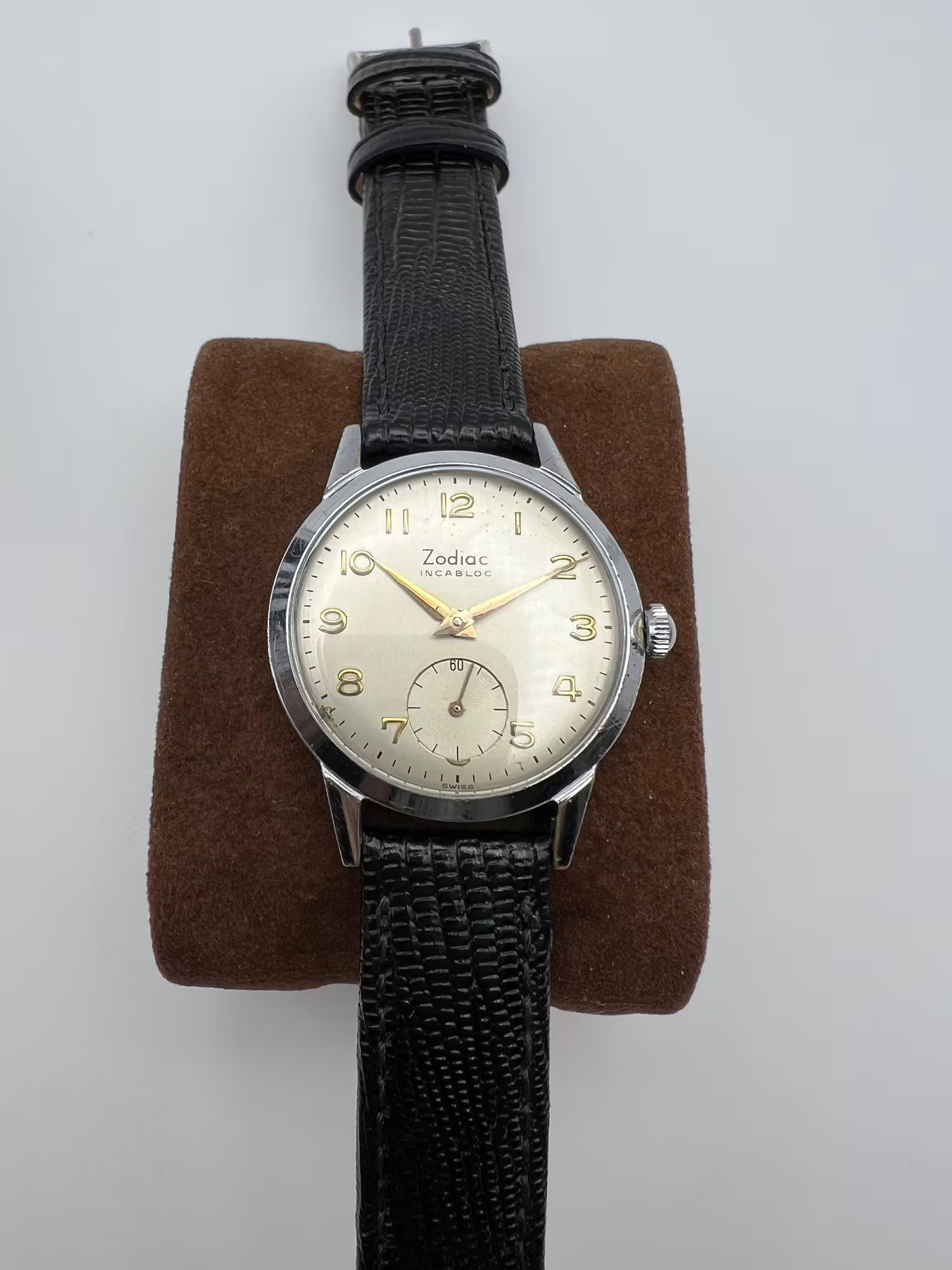
 Sold
Sold